Breathing Again: My Post-Testing Recovery Plan (And How We All Survive the Aftermath)
Last Tuesday, I watched little Sofia put her head down on her desk and just... deflate. Testing was finally over, but instead of relief, she looked exhausted. Defeated, even. That's when it hit me: we all needed some serious recovery time.
Twenty-two years in, and I'm still learning that the end of testing season isn't really the end. It's more like coming up for air after holding your breath underwater for weeks. We need a plan for what comes next, porque honestly? We're all a little broken right now.
The Post-Testing Hangover is Real
Let's be honest about what just happened to us. We spent weeks turning our classrooms into sterile testing environments. We watched our kids stress over bubbles and passages that had nothing to do with the amazing learning we'd been doing all year.
I used to think I could just flip a switch after FAST testing and go back to "normal" teaching. Ay, dios mío, was I wrong. My first few years, I'd jump right back into curriculum like nothing happened. The kids were cranky, I was cranky, and nobody was learning anything.
Now I know better. We need a recovery plan.
Week One: Gentle Re-entry
The first week after testing, I don't even try to do serious academic work. Instead, I focus on rebuilding our classroom community that got a little fractured during test prep.
We start with a "Testing Survivor" celebration. Nothing fancy, just some cookies from Publix and a chance to talk about how they're feeling. This year, Marcus (not my son, my student Marcus) said, "Ms. Santos, I forgot we used to laugh in here." That broke my heart a little, but it also reminded me why this recovery time matters.
I pull out all the activities that got shelved during test prep. Art projects, science experiments, read-alouds that have nothing to do with finding the main idea. We need to remember that learning can be joyful again.
Rebuilding Our Reading Lives
Testing turns reading into this clinical, analytical thing. Our kids start approaching every text like it's going to quiz them. We have to help them fall in love with books again.
I spend this time doing pure read-alouds. No stopping for comprehension questions, no graphic organizers. Just the pleasure of a good story. This year I'm reading "Wonder" to them, and watching their faces light up reminds me why I became a teacher in the first place.
I also let them choose their own books for silent reading. No reading levels, no AR points, just books they actually want to read. Yes, some of them pick graphic novels or books that might be "too easy." So what? They're reading because they want to, not because they have to.
Getting Back to Real Math
Math recovery is just as important. My kids have been so focused on test-taking strategies that they've forgotten math can be creative and collaborative.
I bring back math talks, number strings, and problem-solving activities where there's more than one right answer. We do estimation jars and Would You Rather math questions. Anything to remind them that math is about thinking, not just finding the one correct bubble.
Last week, we did a geometry scavenger hunt around the school. Watching them get excited about finding trapezoids in the cafeteria tables was better than any test score.
Dealing with Our Own Recovery
Here's what nobody talks about: we teachers need recovery time too. I've been running on adrenaline and coffee for weeks, and now that it's over, I'm exhausted.
Carlos keeps asking why I'm still bringing work home when "the big test is done." How do I explain that I need to rebuild everything we lost during test prep season? That I need to remember how to teach for joy instead of just teaching for scores?
I give myself permission to take shortcuts these first few weeks. Dinner might be takeout more often. The laundry might sit in the basket an extra day. I'm not superwoman, and pretending I am doesn't help anyone.
Reconnecting with Families
Testing season creates this weird distance between school and home. Everything becomes about test prep and stress. Now's the time to rebuild those family connections.
I send home a newsletter (okay, fine, it's just a simple email) letting parents know we're in recovery mode. I explain that their kids might seem tired or emotional, and that's normal. We're all processing what we just went through.
I also ask families to share what their kids are interested in right now. What are they talking about at home? What makes them excited? I use these responses to plan activities that connect to their real lives, not just our curriculum map.
Planning for Real Learning
By week three, we're ready to dive back into meaningful academic work. But it looks different now. I'm more intentional about making connections between what we're learning and why it matters.
We start a project about our Tampa community. It hits social studies standards, but it also helps kids see themselves as part of something bigger. We're not just preparing for next year's test; we're preparing for life.
I also bring back choice in assignments. Want to show your learning through a poster instead of a written report? Go for it. Prefer to present to a small group instead of the whole class? That works too.
The Gift of Time
The truth is, we have a gift right now. The pressure is off, and we can remember why we love teaching and learning. Yes, we'll have to think about next year's standards and assessments soon enough. But not today.
Today, we can read a story just because it's beautiful. We can explore math concepts because they're fascinating. We can let kids be curious and creative and joyful.
Moving Forward Together
Recovery doesn't mean we're giving up on academics. It means we're remembering that our kids are whole people, not just test scores. They have interests and dreams and fears that have nothing to do with standardized assessments.
Take time to breathe, mija. We made it through another testing season, and our kids are still intact. They still trust us to guide their learning, even after weeks of test prep.
Now let's show them what real learning looks like. Let's remind them (and ourselves) why education matters beyond any bubble sheet.
We've got this. We always do.
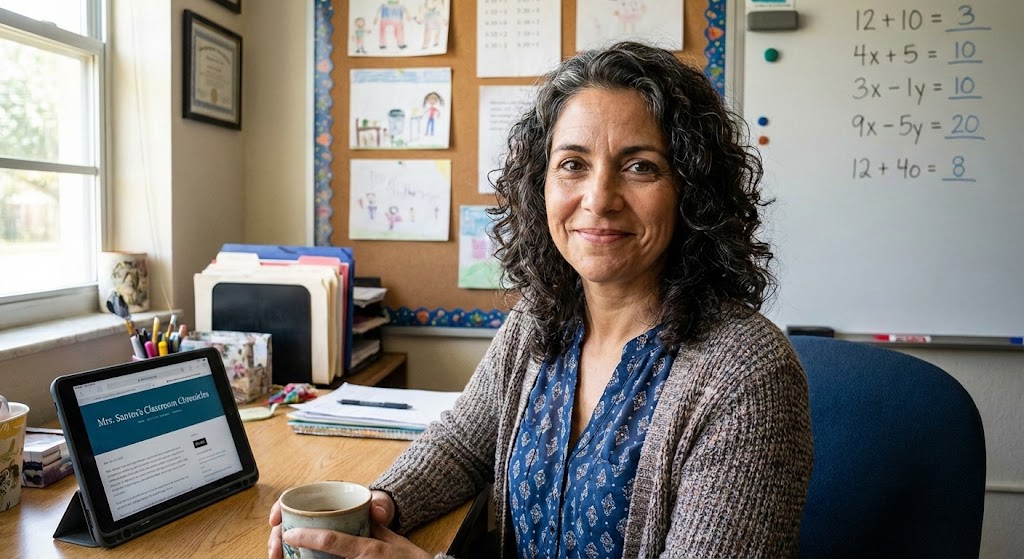
Maria Santos
Maria has been teaching 4th grade in Tampa, Florida for 22 years. Known as "the math whisperer" among her colleagues, she writes about the real challenges and victories of teaching in Florida's public schools.
When she's not grading papers or creating lesson plans, you can find Maria at her local teacher supply store (with coupons in hand) or sharing teaching tips over cafecito with her teacher friends.
View Full Profile →Related Articles
When Your Stress is Showing (And Your Kids Are Feeling It Too)
FAST test prep tip: Last Tuesday, little Sofia looked up at me during our morning routine and said, ...
When You're Barely Holding It Together But Your Kids Need You to Be Their Rock
FAST test prep tip: Last Tuesday, I walked into my classroom with my coffee mug still sitting on my ...
Ready to Improve Your FAST Scores?
Upload your class data and get personalized IXL success plans in seconds.
Try It Free