Building Trust Before You Need It
Last Tuesday, I had to call Mrs. Rodriguez about her son Miguel's behavior during math. Before I could even explain what happened, she interrupted me: "Ms. Santos, I know you care about Miguel. Whatever you need from me, I'm here."
That phone call lasted five minutes instead of thirty. No defensiveness, no excuses, just partnership. And it happened because I'd been building trust with Miguel's mom since day one.
Here's the thing we all know but sometimes forget: the time to build relationships with parents isn't when there's a problem. It's on the sunny days, before the storms hit.
Start Strong, Not Sorry
I learned this lesson the hard way fifteen years ago. I waited until parent-teacher conferences to really connect with families. By then, I was meeting parents for the first time while delivering news about their child's struggles. Ay, dios mio, those were some uncomfortable conversations.
Now? I'm proactive from the moment I get my class roster. I send a welcome letter in July, but not one of those formal things that sounds like a legal document. I write like I'm talking to a friend.
I tell them about myself. That I have two kids who also struggled with homework battles. That I drink way too much Cuban coffee. That their child will probably come home talking about how I accidentally say "pero" when I mean "but."
The Magic of Positive First Contact
Here's what I do that changed everything: I make sure my first contact with every parent is positive. Not neutral. Positive.
During the first week of school, I send home one good thing about every single student. For Aiden, it might be "He helped a classmate find her pencil today." For Sofia, "She asked the most thoughtful question during our science lesson."
Is this time-consuming? Yes. Do I sometimes have to really look for something positive about the kid who's been testing every boundary? Also yes. But this sets the tone for the entire year.
When parents hear good things first, they start to see you as someone who notices and values their child. They become your allies instead of your adversaries.
Small Touches, Big Impact
I keep a simple parent communication log. Nothing fancy, just a notebook where I jot down little details parents share. When Miguel's dad mentions he's working double shifts, I remember to check if Miguel seems extra tired. When Samantha's mom tells me about their new puppy, I ask Samantha about it the next week.
Parents notice when you remember. They notice when you see their child as a whole person, not just a student in seat 14.
I also send quick updates throughout the year. A photo of their child engaged in learning. A note about improvement, even if it's small. These don't take long, but they keep that positive connection alive.
When Problems Arise
Here's where all that trust-building pays off. When I need to have a difficult conversation, I start by reminding parents that we're on the same team. "I'm calling because I care about Jayden and I know you do too. Let's figure this out together."
I also come with solutions, not just problems. If Jayden is struggling with math facts, I don't just say "He's behind." I say "He's working hard but needs extra practice. Here's what we're doing at school, and here's how you can help at home."
Sometimes I'll mention tools that have helped, like when I discovered FastIXL last year. Being able to show parents exactly which skills their child needs to work on, based on their FAST scores, makes those conversations so much more productive.
The Cultural Bridge
Teaching in Florida, many of our families come from different cultural backgrounds. I've learned that building trust sometimes means understanding different communication styles and expectations.
Some parents expect very formal interactions with teachers. Others are more casual. Some want detailed explanations. Others prefer quick, direct updates. Pay attention to how families communicate and try to match their style.
I also acknowledge that school might feel intimidating for parents who had negative experiences in their own education. I make sure they know my classroom is a safe space for questions, even ones they think might sound silly.
Making It Sustainable
Look, we're all drowning in responsibilities. I'm not suggesting you become a social worker or spend your evenings crafting personalized notes. But small, consistent efforts make a huge difference.
Set a goal to make one positive parent contact per day. That's it. Five minutes. By the end of the month, you've touched base with every family.
Use technology to help. A quick photo sent through your school's communication app. A brief email celebrating a breakthrough. These little touches add up.
When Trust Pays Off
This year, when we had to have difficult conversations about FAST scores, parents listened. They asked questions instead of making accusations. They worked with me instead of against me.
When I needed volunteers for our science fair, hands went up immediately. When I asked families to practice math facts at home, they actually did it. When Miguel had his rough day, his mom and I solved it together in five minutes.
That's what trust looks like in action.
Your Turn
Building trust isn't about being perfect. It's about being consistent, genuine, and focused on what's best for kids. Start small. Pick three families you haven't connected with lately and reach out with something positive this week.
Remember, we're not just teaching students. We're partnering with families. And the best partnerships are built on trust, one positive interaction at a time.
Trust me on this one. Your future self will thank you when those difficult conversations become collaborative problem-solving sessions instead of battles. And more importantly, your students will benefit from having their two biggest support systems working together instead of at odds.
What's one small step you can take this week to strengthen your relationships with families? Start there. The rest will follow.
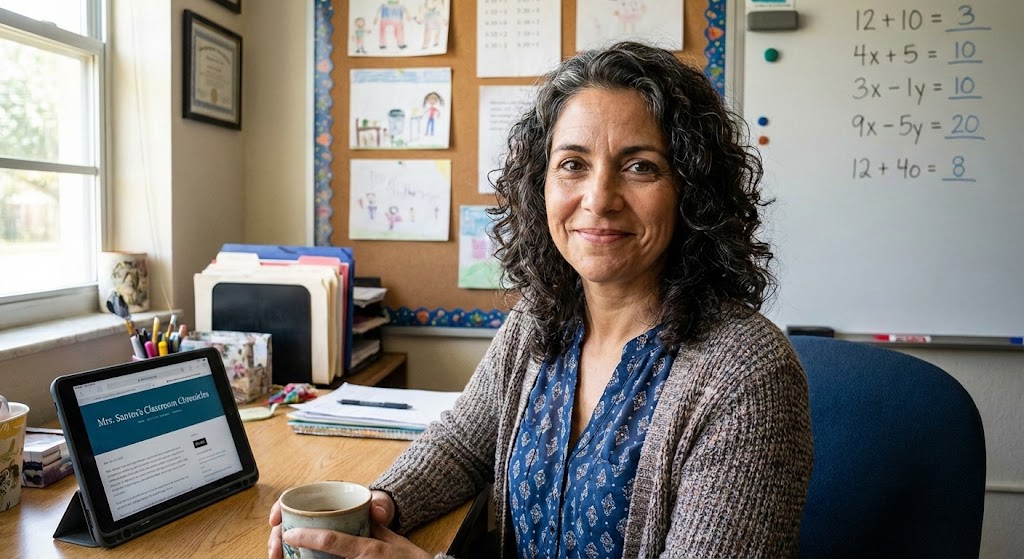
Maria Santos
Maria has been teaching 4th grade in Tampa, Florida for 22 years. Known as "the math whisperer" among her colleagues, she writes about the real challenges and victories of teaching in Florida's public schools.
When she's not grading papers or creating lesson plans, you can find Maria at her local teacher supply store (with coupons in hand) or sharing teaching tips over cafecito with her teacher friends.
View Full Profile →Related Articles
When Parents Say "My Child Would Never" (And What We Do Next)
Parent communication tip: Last Tuesday, I called Mrs. Rodriguez to discuss her son Miguel's behavior...
How to Talk to Parents About Test Scores Without Making Everyone Cry
Parent communication tip: Last week, I watched a parent's face crumple as I explained her daughter's...
Ready to Improve Your FAST Scores?
Upload your class data and get personalized IXL success plans in seconds.
Try It Free