Florida Teacher Certification: The Real Story Nobody Tells You
Picture this: It's 2002, and I'm sitting in a stuffy room at the district office, sweating through my professional blazer (porque, Miami heat), clutching my temporary certificate like it's a winning lottery ticket. The lady behind the desk is explaining all the hoops I need to jump through to become a "real" teacher in Florida.
I nodded and smiled, but honestly? I had no clue what I was getting myself into.
Fast forward 22 years, and I've watched hundreds of new teachers navigate this same maze. Some make it through like champs. Others get so overwhelmed they're updating their resumes by October.
Today, I'm sharing the real story about Florida teacher certification. Not the sanitized version from the DOE website, but the truth from someone who's been in the trenches.
The Good News First
Let me start with this: Florida actually wants you to succeed. Seriously.
Our state has made it easier than ever to get into teaching. Alternative certification programs, temporary certificates, military spouse provisions. They've opened more doors because, let's be honest, we need you desperately.
When I started, you basically had to have an education degree or you were out of luck. Now? I work alongside former engineers, retired military folks, and career changers who bring incredible real-world experience to our classrooms.
The Certification Maze: What You're Really Getting Into
Here's what nobody tells you about the certification process in Florida: it's not just about getting that piece of paper. It's about proving you can handle everything this job throws at you.
The Testing Marathon
First up: the tests. Oh, the tests.
You'll take the General Knowledge Test (unless you're exempt), the Professional Education Test, and your subject area exam. Sounds straightforward, right?
Here's the real talk: these tests don't really prepare you for teaching. They test your ability to take tests. I passed mine on the first try, then spent my first year feeling like I knew absolutely nothing about managing 28 fourth graders hopped up on cafeteria pizza.
The General Knowledge math section still gives me nightmares. I'm literally known as "the math whisperer" at my school, but those word problems had me questioning everything I thought I knew about numbers.
The Paperwork Olympics
Once you pass your tests, welcome to the paperwork phase. Background checks, fingerprints, transcripts, more forms than you can shake a stick at.
Pro tip: Start this process early. Like, really early. I've seen promising teachers miss out on positions because their paperwork got stuck somewhere in Tallahassee for weeks.
Keep copies of everything. I mean everything. That transcript you submitted in March? You'll probably need to submit it again in July because it "expired" or got lost in the system.
The Professional Development Requirement Reality
Here's where things get interesting. Florida requires ongoing professional development to maintain your certificate. Sounds reasonable, right?
In theory, yes. In practice? You'll sit through more workshops on classroom management strategies that don't work in real classrooms than you can count.
Don't get me wrong, some PD is genuinely helpful. But after 22 years, I can spot a consultant who's never actually taught from a mile away. They're the ones telling you to "just build relationships" while showing stock photos of kids who look nothing like the students we actually serve.
My advice? Seek out PD from actual teachers. Find the workshops led by people who were in a classroom last week, not last decade.
The Alternative Certification Route: Pros and Cons
If you're coming from another field, you'll probably go through alternative certification. I've mentored dozens of alt cert teachers, and here's what I've learned:
The Good: - You bring fresh perspectives we desperately need - Your previous career experience is invaluable - The process is faster than traditional education programs
The Challenging: - You're learning to teach while actually teaching (talk about trial by fire) - The support varies wildly by district - You might feel like everyone else got a manual you never received
My friend Roberto came from corporate finance and spent his first month trying to run his classroom like a board meeting. Spoiler alert: eight-year-olds don't respond well to PowerPoint presentations about multiplication tables.
But by December? He was one of the most creative math teachers I'd ever seen. Sometimes that outside perspective is exactly what kids need.
The Mentorship Lottery
Florida requires new teachers to have mentors. This is either your saving grace or your biggest frustration, depending on who you get paired with.
I've been a mentor for 15 years now, and I've seen it all. Some mentors are incredible. They'll text you on Sunday nights with encouragement, share their best resources, and talk you off the ledge when parent conferences go sideways.
Others? Well, let's just say not everyone who's been teaching for 20 years should be mentoring new teachers. Some folks are burned out and bitter, and they'll drag you down with them if you let them.
If you get stuck with a mentor who isn't helping, speak up. Ask your administration for support. Find informal mentors among your grade level team. Your first year is hard enough without navigating it alone.
The Continuing Education Hustle
Once you're certified, Florida expects you to keep learning. Master's degrees, additional endorsements, leadership programs. The state incentivizes this with salary bumps and career advancement opportunities.
Here's my honest take: some of it's worth it, some isn't.
My ESOL endorsement? Game changer. Absolutely essential for teaching in Florida's diverse classrooms.
That expensive leadership program I took five years ago? Mostly buzzwords and theories that don't translate to real schools with real budgets and real problems.
Choose your continuing education wisely. Talk to teachers who've been where you want to go. Ask hard questions about ROI, both financial and professional.
The Salary and Benefits Reality Check
Let's talk money, because pretending it doesn't matter is ridiculous.
Florida teacher salaries have improved, but we're still not exactly rolling in cash. The benefits are decent, though. Health insurance, retirement system, and job security (once you get tenure) are nothing to sneeze at.
But here's what the salary schedules don't tell you: you'll spend your own money on your classroom. A lot of it. My husband Carlos still doesn't understand why I'm at Target buying supplies with our grocery money, but that's the reality.
Budget for it. Seriously. Set aside money each month for classroom supplies, professional development, and the occasional sanity-saving coffee run.
Surviving the First Few Years
The certification is just the beginning. The real challenge is staying in the profession long enough to get good at it.
Year one: You'll feel like you're drowning. This is normal. Year two: You'll start to find your rhythm. Still hard, but manageable. Year three: You'll begin to feel like you actually know what you're doing.
I almost quit after my first year. The only thing that stopped me was my mentor, Mrs. Rodriguez, who told me, "Mija, nobody expects you to be perfect. They just expect you to show up and care."
Twenty-two years later, I'm still showing up. Still caring. Still learning.
The Bottom Line
Florida teacher certification isn't just about jumping through hoops. It's about joining a profession that will challenge you, frustrate you, and ultimately change you in ways you never expected.
Yes, the process can be overwhelming. Yes, there are bureaucratic nightmares and tests that don't make sense. But on the other side of all that paperwork and professional development is something pretty amazing: the chance to shape young minds and maybe, just maybe, change the world one student at a time.
If you're thinking about teaching in Florida, or you're already in the process, hang in there. We need you. Our kids need you. And despite all the challenges, this profession will give you stories, relationships, and purpose that no other job can match.
Trust me on this one. After 22 years, I wouldn't trade it for anything.
What questions do you have about Florida teacher certification? Drop them in the comments. We're all in this together, and there's no such thing as a stupid question when you're trying to figure out how to become the teacher your students deserve.
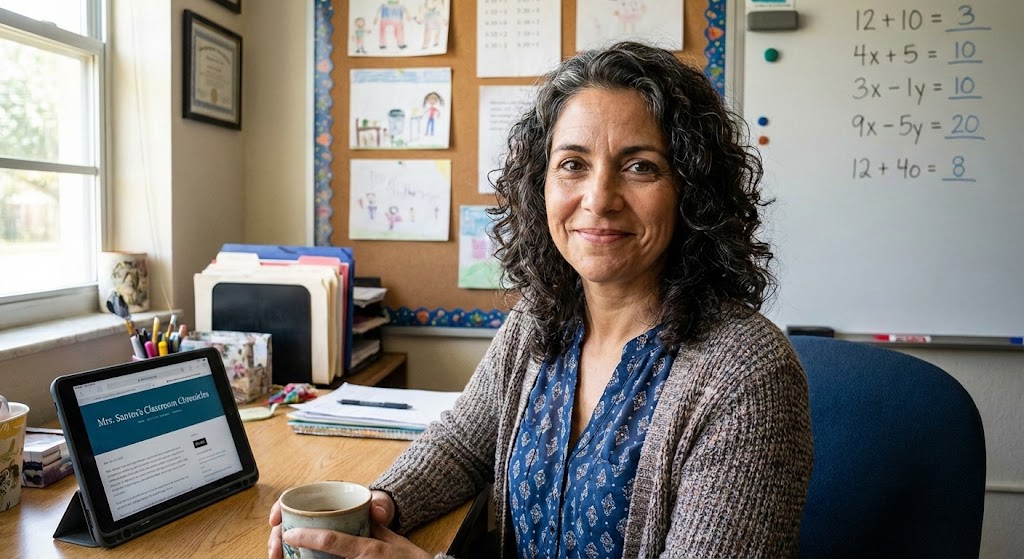
Maria Santos
Maria has been teaching 4th grade in Tampa, Florida for 22 years. Known as "the math whisperer" among her colleagues, she writes about the real challenges and victories of teaching in Florida's public schools.
When she's not grading papers or creating lesson plans, you can find Maria at her local teacher supply store (with coupons in hand) or sharing teaching tips over cafecito with her teacher friends.
View Full Profile →Related Articles
What I Wish I Knew About FAST Testing (Before I Learned the Hard Way)
Florida teacher tip: Let me paint you a picture. It's March 2019, my first year with FAST testing, a...
When Your Classroom Feels Like the Surface of Venus: Surviving Florida's Heat Without Losing Your Mind
Florida teacher tip: It was 8:47 AM on a Tuesday in September when I realized my classroom thermomet...
Ready to Improve Your FAST Scores?
Upload your class data and get personalized IXL success plans in seconds.
Try It Free