How I Help My Kids (and Myself) Bounce Back After FAST Testing
Last week, little Sofia looked up at me during our first real math lesson post-FAST and said, "Mrs. Santos, are we allowed to talk during this?" My heart just broke. After weeks of testing protocols, my chatty, collaborative classroom had turned into a library of anxious whispers.
If you're feeling like your classroom culture got steamrolled by testing season, you're not alone. Every April, I watch my kids transform from curious learners into nervous test-takers. And honestly? I transform right along with them.
But here's what I've learned in my 22 years: recovery is just as important as preparation. We spend months getting ready for testing, but we rarely talk about how to rebuild our classroom community afterward.
The Testing Hangover is Real
Let's be honest about what testing season does to us. By the time we finish proctoring the last FAST session, we're all running on fumes. Our kids are emotionally drained, we're physically exhausted, and our classroom routines are completely shot.
I used to think I could just flip a switch and go back to "normal" teaching the day after testing ended. Ay, Dios mío, was I wrong. My first few years, I'd jump right back into curriculum like nothing happened, and my kids would just stare at me like I was speaking Martian.
Now I know better. Recovery takes time, and it needs to be intentional.
Week One: Reconnecting
The first week after testing, I throw my lesson plans out the window. Well, not literally (Carlos would have words about the mess), but close enough.
Instead, we focus on remembering how to be a learning community again.
Morning Meetings Make a Comeback
During testing season, our morning meetings get reduced to "sit quietly and wait for instructions." The first Monday back, we have the longest, most rambling morning meeting of the year. Kids share everything they've been holding in. Marcus talks about his new puppy. Isabella shows us her dance moves. David complains about his little brother (again).
It feels chaotic, but it's necessary. We're rebuilding our connections.
Collaborative Learning Returns
I start with the simplest partner activities. Think-pair-share about their weekend. Working together to solve a puzzle. Reading with a buddy. Nothing too academic yet, just practicing how to learn together again.
Sofia, who asked about talking during math? By Wednesday, she was back to her usual chatter, explaining her thinking to anyone who'd listen.
Week Two: Gentle Academic Re-entry
Once we've remembered how to be human together, we can start being students again. But I keep it low-stakes and high-engagement.
Choice-Based Learning
I set up learning stations around the room and let kids choose where to start. Math games, science experiments, writing prompts, art projects. The goal isn't covering specific standards (we'll get there), it's rebuilding their confidence as learners.
Celebration Over Evaluation
Everything we do this week gets celebrated, not graded. Kids share their work, we applaud effort, and I take notes about where everyone's at emotionally and academically. This isn't the time for data collection, it's the time for relationship rebuilding.
Week Three: Finding Our Rhythm
By the third week, we're ready to establish new routines. Notice I said new, not old. Testing season changes us, and pretending it didn't happen doesn't serve anyone.
New Classroom Agreements
We revisit our classroom rules together. What worked before testing? What do we need now? Last year, my kids added "It's okay to feel frustrated" to our agreements. They needed permission to struggle after weeks of pressure to perform.
Academic Confidence Building
I start with review activities that I know most kids can handle successfully. Not busy work, but meaningful practice of skills they've mastered. Success breeds success, and these kids need to remember they're capable learners.
The Parent Communication Piece
Don't forget about families during recovery time. Parents are often just as stressed about testing as we are, and they need to know how their kids are doing.
I send home a simple note explaining that we're in "recovery mode" and what that means. I let them know their child might seem tired or emotional, and that's normal. I also share simple ways they can support the transition at home.
Most parents are relieved to hear that someone else noticed their kid was affected by testing. It validates what they're seeing at home.
Taking Care of Yourself Too
Here's something nobody talks about: teachers need recovery time too. We can't pour from an empty cup, pero we sure try to anyway.
I give myself the same grace I give my students. I order pizza for dinner more often. I go to bed early. I say no to extra commitments. Carlos has learned that April and May are not the months to ask me to organize the garage.
Your recovery matters just as much as your students' recovery.
Looking Forward, Not Back
The beautiful thing about post-testing recovery is that it sets us up for a strong finish to the year. When we take time to rebuild relationships and restore confidence, the last month of school becomes about celebration instead of survival.
My kids always do their best work in May, not because the testing is over, but because we've remembered who we are as learners together.
Your Recovery Plan
Every classroom is different, but here's what I want you to remember: recovery is not lost time. It's not falling behind or being soft on academics. It's recognizing that learning happens best when kids feel safe, connected, and confident.
Start small. Give yourself and your kids permission to ease back into learning. Focus on relationships first, academics second. And remember that some of your best teaching happens in these quiet moments of rebuilding.
We made it through another testing season, friends. Now let's help our kids (and ourselves) remember why we love learning in the first place.
What does recovery look like in your classroom? I'd love to hear how you help your kids bounce back after testing. We're all in this together.
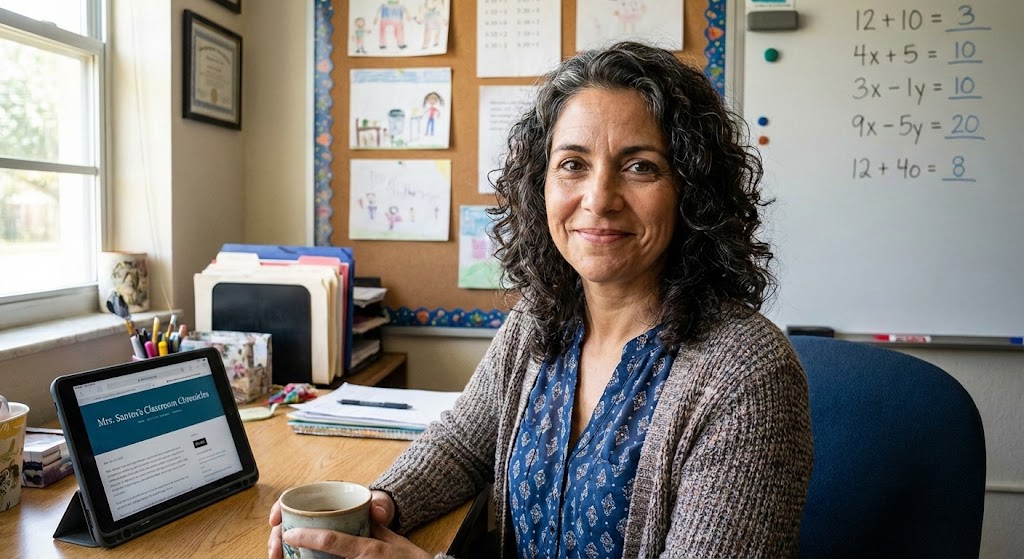
Maria Santos
Maria has been teaching 4th grade in Tampa, Florida for 22 years. Known as "the math whisperer" among her colleagues, she writes about the real challenges and victories of teaching in Florida's public schools.
When she's not grading papers or creating lesson plans, you can find Maria at her local teacher supply store (with coupons in hand) or sharing teaching tips over cafecito with her teacher friends.
View Full Profile →Related Articles
When Your Stress is Showing (And Your Kids Are Feeling It Too)
FAST test prep tip: Last Tuesday, little Sofia looked up at me during our morning routine and said, ...
When You're Barely Holding It Together But Your Kids Need You to Be Their Rock
FAST test prep tip: Last Tuesday, I walked into my classroom with my coffee mug still sitting on my ...
Ready to Improve Your FAST Scores?
Upload your class data and get personalized IXL success plans in seconds.
Try It Free