The Conference Prep That Actually Gets Results (And Keeps Parents Coming Back)
Last week, I watched a first-year teacher frantically shuffling through papers five minutes before her parent conference. "I can't find Sofia's writing sample!" she whispered. "And I forgot to check if her mom speaks English!"
Ay, I felt for her. Been there, done that, got the stress headache to prove it.
My first year teaching, I thought conference prep meant grabbing a stack of work samples and winging it. Let me tell you, that approach crashed and burned faster than my attempt at making tres leches cake from scratch. Parents left confused, I felt defeated, and nothing changed for the kids.
Twenty-two years later, I've figured out what actually works. And it's not what you think.
Start With the Story, Not the Scores
Here's what I used to do wrong: I'd lead with test scores and grades. "Marcus is below grade level in reading. His math facts are weak. He talks too much."
Parents would shut down immediately. Who wouldn't?
Now I start every conference with something positive and specific about their child. Not generic praise, but a real story.
"Let me tell you what happened yesterday. Aiden noticed that Carmen looked sad at lunch, so he gave her half his sandwich and asked if she wanted to play four square. That's the kind of heart your son has."
Watch how parents' shoulders relax when you start there. They're ready to hear the challenges now because they know you see their whole child.
The Magic Three-Folder System
This system has saved my sanity and made me look way more organized than I actually am.
Folder 1: The Good Stuff Work samples that show growth, photos of the student helping others, positive notes they've written. Even struggling students have wins. Find them.
Folder 2: The Concerns Work samples that show specific challenges, behavior documentation, assessment data. But here's the key: every concern comes with a plan.
Folder 3: The Game Plan Specific next steps, resources for home, contact information for additional support. This is what parents take home.
I prep these folders the week before conferences, not the night before. Trust me on this one.
Ask the Right Questions (And Actually Listen)
I used to talk for 15 minutes straight, then ask "Any questions?" as parents were already standing up to leave.
Now I start with questions for them:
"What's homework time like at your house?"
"Tell me about Maria's favorite things to do at home."
"What are you most worried about with school this year?"
Their answers tell me more than any assessment ever could. And parents feel heard, which changes everything about how the rest of the conference goes.
The Translation Trap (And How to Avoid It)
Here in Florida, we serve families who speak dozens of languages. Early in my career, I made the mistake of assuming what parents understood.
Now I always confirm interpretation needs ahead of time. Always. Even if a parent speaks some English, they might prefer their native language for important conversations about their child.
And please, never use the student as a translator for their own conference. I learned this the hard way when 8-year-old Diego had to translate his behavior concerns to his mom. The guilt on that kid's face still haunts me.
Make It About Partnership, Not Problems
The best conferences feel like two people who care about the same kid figuring out how to help them together.
I've started saying things like: - "Here's what I'm seeing at school. What are you seeing at home?" - "I have some ideas, but you know your child best. What do you think would work?" - "How can we work together on this?"
Parents aren't the enemy. They're not lazy or uncaring if their child is struggling. Most of them are doing their best with what they have.
The Follow-Up That Changes Everything
Here's where most of us drop the ball. We have great conferences, make plans, then never mention them again until the next conference.
I send a quick email within a week summarizing what we discussed and confirming next steps. Nothing fancy:
"Hi Mrs. Rodriguez! Just wanted to follow up on our conference. We agreed to try the reading log at home and I'll send extra math practice on Fridays. I'll check in with you in two weeks to see how it's going. Thanks for being such a great partner in Miguel's education!"
This one habit has transformed my parent relationships.
When Things Get Difficult
Sometimes conferences get heated. Parents are frustrated, defensive, or overwhelmed. I've had my share of tough conversations.
My go-to strategy: validate their feelings first.
"I can see you're really concerned about this. I am too. Let's figure out how to help Jessica together."
Stay calm, stick to facts, and keep bringing it back to what's best for the child. If things get too intense, it's okay to reschedule. "I want to give this the attention it deserves. Can we meet again tomorrow when we've both had time to think?"
The Conference Prep Checklist That Actually Works
Two weeks before conferences: - Send home a simple survey asking what parents want to discuss - Start gathering work samples and organizing folders - Check who needs interpretation services
One week before: - Finalize folders and write brief notes for each student - Prepare your space (tissues, extra chairs, student work displayed) - Review any behavior or academic concerns with your team
Day of: - Arrive early and take five deep breaths - Have water and mints handy (conferences are marathon days) - Remember: you're on the same team as these parents
The Real Goal
After all these years, I've realized conferences aren't really about sharing information. Parents can see grades online and work samples come home weekly.
Conferences are about building relationships. They're about showing parents that their child matters to you. They're about creating partnerships that last all year long.
When you get this right, parents become your biggest allies. They support you at home, advocate for you with administration, and trust you with their most precious gifts.
And honestly? Those relationships make this job worth it, even on the days when the copy machine is broken and someone used the last of the coffee in the teacher's lounge.
What's your best conference tip? Drop it in the comments. We're all in this together, and I'm always learning from you amazing teachers out there.
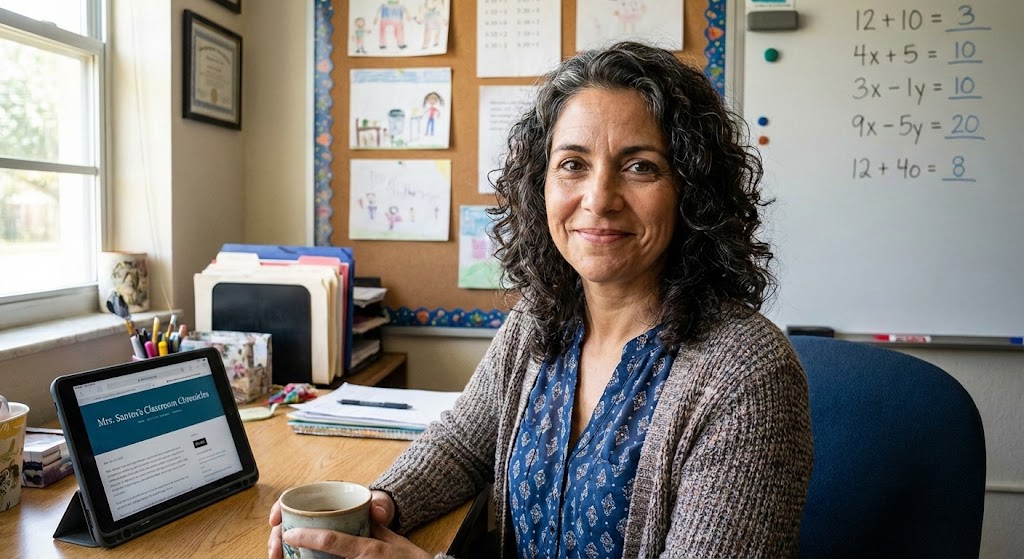
Maria Santos
Maria has been teaching 4th grade in Tampa, Florida for 22 years. Known as "the math whisperer" among her colleagues, she writes about the real challenges and victories of teaching in Florida's public schools.
When she's not grading papers or creating lesson plans, you can find Maria at her local teacher supply store (with coupons in hand) or sharing teaching tips over cafecito with her teacher friends.
View Full Profile →Related Articles
When Parents Say "My Child Would Never" (And What We Do Next)
Parent communication tip: Last Tuesday, I called Mrs. Rodriguez to discuss her son Miguel's behavior...
How to Talk to Parents About Test Scores Without Making Everyone Cry
Parent communication tip: Last week, I watched a parent's face crumple as I explained her daughter's...
Ready to Improve Your FAST Scores?
Upload your class data and get personalized IXL success plans in seconds.
Try It Free