The January Struggle is Real: Getting Your Classroom Back on Track After Winter Break
Last Tuesday, little Marcus (not my son, my student Marcus) raised his hand during our morning meeting and asked, "Mrs. Santos, can we open presents after lunch?"
Mija, it was January 23rd.
If you're reading this while hiding in your supply closet eating a granola bar because your classroom feels like a three-ring circus, I see you. We're three weeks into January and some of our babies are still running on vacation time. Don't worry, you're not alone in this.
Why January Hits Different
Let's be honest about what really happens over winter break. Our kids don't just forget our hand signals and where to put their backpacks. They've been living in a completely different world for two weeks.
They've been sleeping until 10 AM, eating cookies for breakfast, and having zero structure beyond "don't break anything expensive." Meanwhile, we've been dreaming of organized supply closets and color-coded lesson plans.
The clash is inevitable, pero we can work through it together.
Start With Grace (For Them AND You)
My first year teaching, I came back from winter break like a drill sergeant. I expected my third graders to snap right back into our October routines. By day three, half my class was in tears and I was questioning my career choices.
Now I know better. We need to ease back in like we're getting into a cold swimming pool.
Give yourself permission to move slowly. If it takes two weeks to get back to your November groove, that's normal. If your perfectly planned January lessons need to be scrapped for more review and routine practice, that's teaching.
The Three-Day Reset Strategy
Here's what works in my classroom, and I'm hoping it helps you too.
Day One: Reunion Mode Forget academics almost entirely. We spend the morning sharing break stories, reconnecting, and remembering why we like each other. I do a gentle review of our most important routines (bathroom passes, pencil sharpening, the sacred quiet signal), but I don't stress if they forget.
Day Two: Practice Makes Progress We practice our routines like we're learning them for the first time. I model everything again. We practice lining up, transitioning between activities, and our morning procedures. It feels silly, but it works.
Day Three: Back to Learning By day three, we can usually handle some real academic work. I keep it light and build in extra brain breaks, but we're officially back.
Rebuilding Your Classroom Community
Winter break doesn't just mess with routines. It can fracture the beautiful classroom community you spent four months building.
Kids come back having grown and changed. Some have had amazing breaks full of family time and adventures. Others have had difficult breaks with stress, conflict, or just plain boredom. They need time to reconnect with each other and with you.
I always plan extra community circle time those first few weeks back. We play getting-to-know-you games again, even though we've known each other since August. We do partner activities and group work to rebuild those connections.
Last year, I noticed that Emma and Sofia, who had been best friends before break, were suddenly not talking. A little gentle investigation revealed that Emma got a phone for Christmas and Sofia felt left out. These are the things we need to address before we can expect them to focus on long division-division-facts/).
The Routine Refresh
Sometimes January is the perfect time to update routines that weren't working perfectly before break.
That pencil sharpening system that was driving you crazy in December? Now's your chance to introduce something new. The morning work routine that half your class never quite mastered? Fresh start, fresh approach.
I use January as my "soft restart" month. It's like getting a do-over without having to wait until August.
Managing Your Own Expectations
Here's the thing nobody tells you about January: you've changed too. You've had two weeks to sleep in, wear pajamas until noon, and remember what it feels like to go to the bathroom whenever you want.
Coming back is hard for us too.
Give yourself the same grace you're giving your students. Your lesson plans might not be as detailed as usual. Your bulletin boards might stay up longer than you'd like. Your patience might run thinner than normal.
That's all okay. We're all readjusting together.
Practical Reset Tips That Actually Work
Start each day with the same routine. Even if everything else is chaos, keep your morning routine consistent. It becomes an anchor for everyone.
Build in extra transition time. Everything takes longer in January. Plan for it instead of getting frustrated by it.
Use visual reminders. Put your hand signals back on the wall. Post your classroom rules again. Don't assume they remember everything.
Celebrate small wins. When the whole class remembers to push in their chairs, make a big deal about it. Positive reinforcement works better than nagging (trust me, I've tried both).
Keep your sense of humor. When third-grader Marcus asks about presents in late January, laugh with him instead of getting frustrated. These moments become the stories we tell in the teacher's lounge.
You've Got This
I know it feels overwhelming right now. I know you're tired and your classroom feels like it's held together with tape and prayers. But remember, you successfully built a classroom community once before. You can do it again.
It won't take as long this time because you already know these kids. You know that Isabella needs extra wait time and that Carlos works better standing up. You know that your afternoon class gets silly when it's too quiet and your morning class needs more structure.
Use that knowledge. Build on what you already established. And remember that by February, you'll have your groove back.
We're all in this together, and we're going to make it through. One routine, one day, one small victory at a time.
What's working in your classroom this January? Share in the comments. We're all looking for ideas, and chances are, your solution might be exactly what another teacher needs to hear.
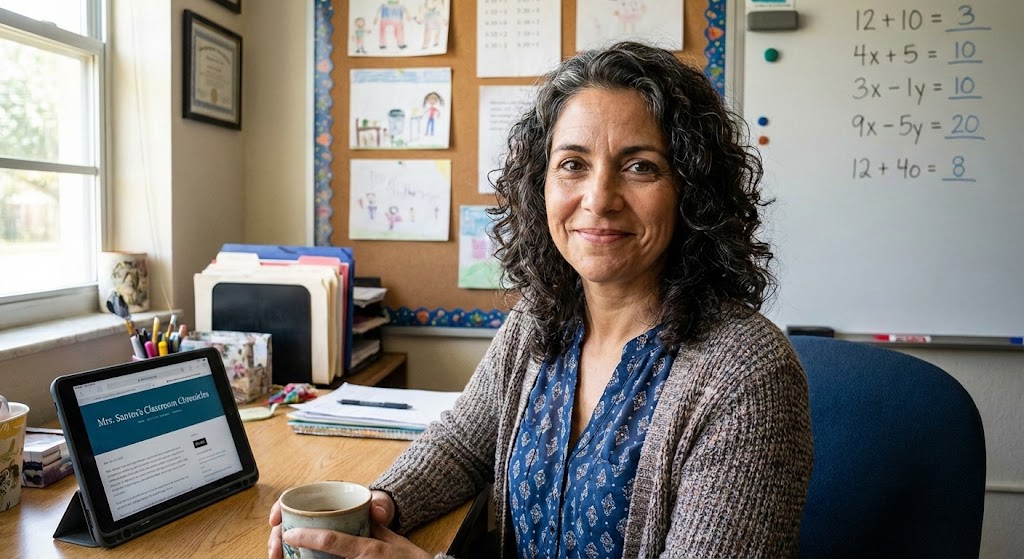
Maria Santos
Maria has been teaching 4th grade in Tampa, Florida for 22 years. Known as "the math whisperer" among her colleagues, she writes about the real challenges and victories of teaching in Florida's public schools.
When she's not grading papers or creating lesson plans, you can find Maria at her local teacher supply store (with coupons in hand) or sharing teaching tips over cafecito with her teacher friends.
View Full Profile →Related Articles
When Everyone's Brain is Already at the Beach (Including Yours)
Classroom management tip: Last Tuesday, I caught myself staring out the window during math, watching...
When May Hits and Everyone (Including You) Has Checked Out
Classroom management tip: Last Tuesday, I walked into my classroom to find three kids sprawled on th...
Ready to Improve Your FAST Scores?
Upload your class data and get personalized IXL success plans in seconds.
Try It Free