The Parent Conference Prep That Saved My Sanity (And Actually Helped Kids)
Last Tuesday, I watched a first-year teacher at my school frantically shuffling through a stack of papers five minutes before her parent conference. "I can't find Isabella's reading scores!" she whispered, sweat beading on her forehead despite the AC blasting in our portable classroom.
I've been that teacher. More times than I care to admit.
My first few years, I'd stay up until midnight before conference week, frantically printing reports and trying to remember which kid was which. I'd walk into meetings with mountains of data but no real plan. Parents would leave confused, I'd leave exhausted, and honestly? Nothing changed for the kids.
But after 22 years of trial and error (emphasis on the error), I've finally cracked the code on conference prep that actually works. Not just for us teachers, but for the families we serve.
Start With the Story, Not the Scores
Here's what I used to do wrong: I'd lead with test scores. "Well, Mrs. Rodriguez, Diego scored a Level 2 on FAST, his IXL diagnostic shows he's working below grade level in fractions..."
Can you imagine? Poor mama's eyes would glaze over before I finished my first sentence.
Now I start every conference with a story about their child. Something specific. Something that shows I actually know their kid.
"Mrs. Rodriguez, let me tell you about Diego. Last week, he was the first one to notice that our classroom plant was drooping. He asked if we could move it closer to the window, and you know what? He was absolutely right. That's the kind of problem-solving mind Diego has."
Watch a parent's face light up when you start there. Now they're listening. Now we can talk about the data.
The Three-Folder System That Changed Everything
I learned this trick from my colleague Carmen, and it's been a game changer. For each student, I create three folders:
The Celebration Folder: Work samples that show growth, improvement, or effort. Not just the perfect papers, but the ones that tell a story of progress.
The Concern Folder: Areas where we need to focus. But here's the key - I always pair concerns with specific action steps.
The Connection Folder: Notes about the child's interests, family situation, or anything that helps me teach them better.
This system keeps me organized, but more importantly, it keeps the conversation balanced. We celebrate wins, address challenges, and make real plans.
Make the Data Work for You (Not Against You)
Look, we're drowning in data. FAST scores, diagnostic assessments, progress monitoring - it never ends. But here's what I've learned: parents don't need to see every single number. They need to understand what those numbers mean for their child.
I spend about 30 minutes per student before conferences organizing their data into a simple one-page summary. When I get my FAST data back, I run it through FastIXL to quickly see which IXL skills align with each student's needs. It saves me hours of cross-referencing standards and gives me concrete next steps to share with parents.
The summary includes:
- Where their child is now
- Where they need to be by the end of the year
- Specific steps we're taking to get there
- How parents can help at home
That's it. Simple, clear, actionable.
The Magic Question That Unlocks Everything
Halfway through every conference, I ask this question: "What are you seeing at home that I should know about?"
Ay, dios mio, the things I've learned from this simple question.
I've discovered that quiet Maria is actually a chatterbox at home who loves to tell stories (hello, narrative writing opportunity!). That "lazy" Marcus actually spends hours building elaborate Lego creations (spatial reasoning skills, anyone?). That anxious Sofia has been worried about her grandmother's health, which explains the recent dip in focus.
This question transforms conferences from one-way data dumps into real conversations about real kids.
The Follow-Up That Seals the Deal
Here's where most of us drop the ball. We have great conferences, make wonderful plans, and then... nothing. No follow-up until the next conference.
Before any parent leaves my classroom, we schedule a quick check-in. Not another formal conference, just a five-minute phone call in two weeks to see how things are going.
I keep a simple calendar on my desk and write these appointments down right there in front of the parent. It shows I'm serious about following through.
When Conferences Get Difficult
Let's be real - not every conference goes smoothly. I've had parents who were angry, defensive, or completely checked out. I've had meetings where I delivered news no parent wants to hear.
Here's what I've learned: lead with empathy, always.
"I can see you're frustrated, and I understand. If this were my Marcus, I'd be asking the same tough questions."
Acknowledge their feelings. Validate their concerns. Then, gently redirect to solutions.
"Let's figure out how we can work together to help David succeed."
The Prep Checklist That Keeps Me Sane
The week before conferences, I use this simple checklist for each student:
- One celebration story ready to share
- Data summary completed (one page max)
- Two specific action steps identified
- Parent question prepared ("What should I know about...")
- Follow-up appointment scheduled
That's it. Five things per kid. Manageable, meaningful, and it actually helps families.
Making Time for What Matters
I know what you're thinking: "Maria, this sounds great, but when am I supposed to do all this prep?"
Fair question. Here's the truth - this system actually saves time in the long run. Instead of scrambling through piles of papers during conferences, everything is organized and ready. Instead of vague conversations that go nowhere, we have focused discussions that lead to real action.
I do most of my prep during my planning period the week before conferences. Thirty minutes per student, spread across the week. It's manageable when you break it down.
The Real Goal
After all these years, I've realized that successful parent conferences aren't about impressing families with how much data I have. They're about showing parents that I know their child, I care about their child, and I have a plan to help their child grow.
When a parent leaves my classroom feeling heard, informed, and hopeful, that's when real change happens. When they have specific ways to support their child at home, that's when we see progress.
And when teachers feel prepared and confident instead of stressed and scattered? We show up as our best selves for the families we serve.
Your conferences don't have to be perfect, pero they should be purposeful. Start with one or two of these strategies and build from there. Our kids and their families deserve our best effort, and honestly? So do we.
What's one thing you'll try differently at your next conference? I'd love to hear how it goes.
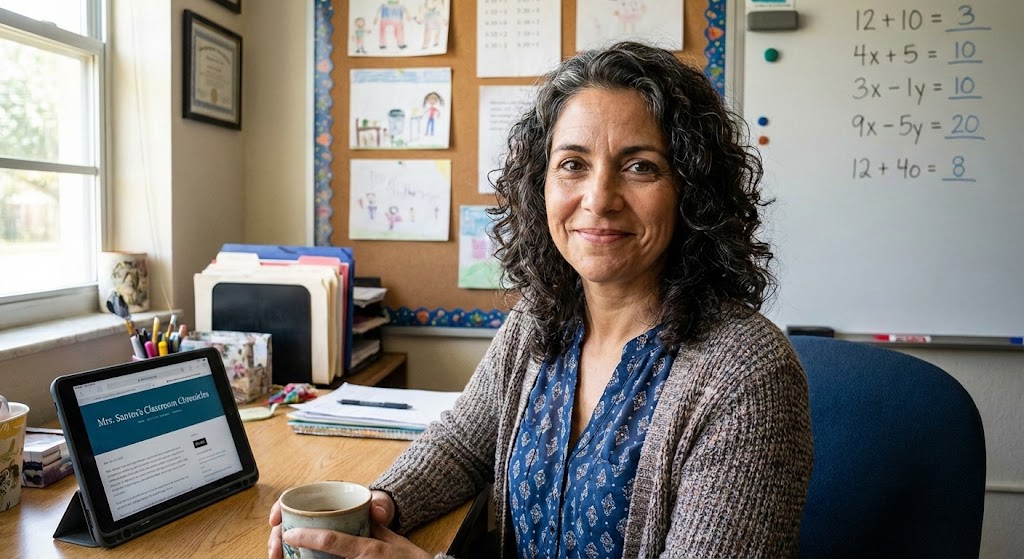
Maria Santos
Maria has been teaching 4th grade in Tampa, Florida for 22 years. Known as "the math whisperer" among her colleagues, she writes about the real challenges and victories of teaching in Florida's public schools.
When she's not grading papers or creating lesson plans, you can find Maria at her local teacher supply store (with coupons in hand) or sharing teaching tips over cafecito with her teacher friends.
View Full Profile →Related Articles
When Parents Ask "What Does This Number Mean?" - A Teacher's Guide to Test Score Conversations
Parent communication tip: Last Tuesday, Sofia's mom cornered me after dismissal with a crumpled piec...
When Parents Are More Stressed Than Kids About School (And How We Can Help)
Parent communication tip: Last week, I watched a mom literally shake during our parent conference. H...
Ready to Improve Your FAST Scores?
Upload your class data and get personalized IXL success plans in seconds.
Try It Free