The Parent Pep Talk That Changes Everything About Testing Week
Last Tuesday, I watched Sofia's mom pace outside my classroom door for ten minutes before finally knocking. When she came in, the first words out of her mouth were, "Mrs. Santos, I'm so worried about the FAST test. Sofia hasn't been sleeping well, and I don't know what to tell her."
Ay, my heart just broke a little.
Here's the thing, teachers. We spend so much time prepping our kids for testing week that sometimes we forget the other half of the equation. The parents are just as anxious as our students, maybe more so. And when parents are stressed, guess what? Those kids walk into our classrooms carrying that weight on their little shoulders.
Over my 22 years in the classroom, I've learned that a good parent conversation before testing week can make or break how smoothly everything goes. So here's exactly what I tell my families, and trust me, it works.
Start with the Truth (But Make It Age-Appropriate)
I always begin my parent letter the same way: "Your child is so much more than a test score."
Because that's the truth, right? But parents need to hear it from us. They're bombarded with news about school grades and accountability, and sometimes they forget that we see their kids as whole human beings, not data points.
I tell parents that yes, the FAST test matters for our school planning and helps me understand where each child needs support. But it's one snapshot on one day, not a judgment on their parenting or their child's worth.
When I explained this to Sofia's mom, I watched her shoulders literally relax. "I just want her to do well," she said. "I know, mija," I told her. "And she will, because she's been learning all year long."
The Sleep and Breakfast Speech
This part is non-negotiable in my parent talks. I get very specific here because parents want concrete actions they can take.
"The best thing you can do for your child this week is make sure they get enough sleep and eat a good breakfast."
I tell them that a well-rested kid who's had protein and some fruit will outperform an overstudied, anxious child every single time. I learned this lesson the hard way in my early teaching years when I had parents drilling their kids with practice tests until 9 PM.
Here's what I recommend: - Bedtime stays the same or gets earlier - No extra studying or practice tests at home - A breakfast with protein (eggs, peanut butter, yogurt) - Their regular morning routine
One year, Marcus (my own son, not my student Marcus) was so wound up about testing that Carlos and I let him stay up "studying" math facts. The kid was a zombie the next day and made careless mistakes he never would have made if he'd just gotten his sleep.
What NOT to Say (And What to Say Instead)
I always give parents a little script because, let's be honest, we all need help with the right words sometimes.
Instead of "You better do well on this test," try "I'm proud of how hard you've been working this year."
Instead of "This test is really important," try "Just do your best, that's all anyone can ask."
Instead of "Don't be nervous," try "It's normal to feel a little nervous. That means your body is getting ready to focus."
That last one is gold, teachers. I learned it from our school counselor, and it completely changed how I talk to kids about test anxiety.
The Night Before Routine
I tell parents to make the night before testing as normal as possible. This isn't the time for a special dinner out or a big family meeting about the test.
Read together if that's your routine. Watch a favorite show. Play a board game. Let them take a bath or shower to relax. Keep everything low-key and familiar.
And please, por favor, no last-minute cramming. If they don't know their multiplication facts the night before the test, one more practice session isn't going to help. It'll just make them more anxious.
Morning of the Test
I always tell parents that the morning of testing is like the morning of a big game. You want your child feeling confident and calm, not pumped up with pressure.
A hug, a good breakfast, and a simple "Have a great day, I love you" is perfect.
Some parents want to give big speeches or special pep talks. I gently steer them away from this. Kids pick up on our energy, and if we're making a huge deal about it, they think they should be worried too.
When Your Child Struggles with Tests
This conversation is harder but so important. Some of our babies just don't test well, and their parents know it.
I tell these families that we'll work with whatever information the test gives us, but it won't change how I see their child or how I'll support them. I remind them about all the growth I've seen that won't show up on any test.
For kids with testing anxiety, I let parents know about the accommodations we can provide and the strategies we've been practicing in class. Knowledge is power, and when parents understand what we're doing to help, they feel better about sending their child to school that day.
The Follow-Up Promise
I always end my parent conversations with this promise: "When scores come back, we'll look at them together and make a plan for what comes next."
Because that's what this is really about, right? Using the information to help each child grow. When parents know we're partners in this, not judges, everything changes.
What This Really Does for Your Classroom
Here's the beautiful thing about these conversations. When you take time to calm parent anxiety, you're actually making your own testing week so much smoother.
Kids come in more relaxed. Parents aren't sending stressed-out emails. Everyone remembers that we're on the same team.
Last year, after I started doing these more intentional parent talks, I had the calmest testing week of my career. And you know what? My kids' scores reflected that calm confidence.
So before you dive into testing week prep, take a few minutes to think about your parent communication. A simple email, a quick phone call, or even a note home can make all the difference.
Remember, we're not just teaching kids. We're supporting whole families. And when families feel supported, our students soar.
Trust me on this one. After 22 years of testing seasons, this is the conversation that changes everything.
How do you talk to parents before testing week? I'd love to hear what works in your classroom.
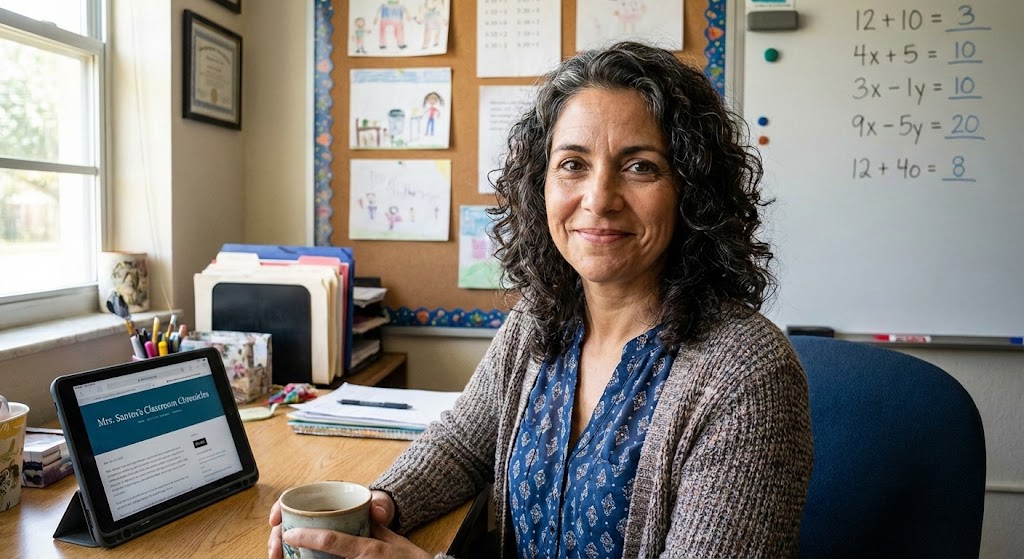
Maria Santos
Maria has been teaching 4th grade in Tampa, Florida for 22 years. Known as "the math whisperer" among her colleagues, she writes about the real challenges and victories of teaching in Florida's public schools.
When she's not grading papers or creating lesson plans, you can find Maria at her local teacher supply store (with coupons in hand) or sharing teaching tips over cafecito with her teacher friends.
View Full Profile →Related Articles
When Your Stress is Showing (And Your Kids Are Feeling It Too)
FAST test prep tip: Last Tuesday, little Sofia looked up at me during our morning routine and said, ...
When You're Barely Holding It Together But Your Kids Need You to Be Their Rock
FAST test prep tip: Last Tuesday, I walked into my classroom with my coffee mug still sitting on my ...
Ready to Improve Your FAST Scores?
Upload your class data and get personalized IXL success plans in seconds.
Try It Free