When Everyone's Checked Out But You Still Need Them to Check In
Last Tuesday, I watched little Sofia stare out the window for a solid ten minutes, completely mesmerized by a butterfly that was probably more interested in our school's sad attempt at landscaping than anything we were doing with fractions. Meanwhile, Jayden was drumming his pencil like he was auditioning for a salsa band, and don't even get me started on the collective groan that went up when I announced we still had three weeks left of school.
Sound familiar?
We're in that tricky time of year when the Florida heat is cranking up, summer break is calling everyone's name, and maintaining classroom structure feels like trying to herd cats. Pero here's the thing, we still have important work to do, and our kids still need the stability that good classroom management provides.
After 22 years of navigating this end-of-year chaos, I've learned that the key isn't fighting the summer fever. It's working with it.
Acknowledge the Elephant in the Room
First things first, let's be real with our students. They know summer's coming. They can smell it in the air (along with that mysterious cafeteria smell that gets stronger when it's humid).
I start my Monday morning meetings in May by saying something like, "I know your brains are already at the beach, but we've got some pretty cool stuff to finish up together." Acknowledging their feelings doesn't mean giving up control. It means you're human too.
When I pretend like nothing's changed and try to run my classroom exactly like I did in October, I lose them completely. But when I meet them where they are, I can still guide them where we need to go.
Adjust Your Expectations (But Don't Abandon Them)
This doesn't mean lowering your standards. It means being strategic about which battles are worth fighting.
That perfectly silent hallway line? Maybe we aim for "respectfully quiet" instead of library silence. Those elaborate morning work packets? Perhaps we switch to a quick brain teaser on the board that gets them moving and thinking.
I learned this lesson the hard way my third year teaching. I was so determined to maintain every single routine exactly as I had all year that I spent more time arguing about procedures than actually teaching. My principal, Mrs. Rodriguez, pulled me aside and said, "Maria, bend a little or you'll break." Best advice I ever got.
Build in Movement and Fresh Air
Our kids have been cooped up all year, and their bodies are screaming for movement. Instead of constantly telling them to sit still, I started building movement into our lessons.
We take our reading outside under the covered walkway. Math facts become relay races in the hallway. Even simple things like having students stand up to share their answers can make a huge difference.
Last week, we did our science review as a scavenger hunt around the school grounds. The kids were engaged, they were moving, and they were still learning. Win, win, win.
Create Countdowns That Build Excitement
Instead of letting the countdown to summer feel like we're all just waiting for school to end, I create countdowns that build excitement for what we're still accomplishing.
"Only 12 more days to show me how much you've grown as readers!"
"We have exactly two weeks to finish our amazing community helper project!"
I make little paper chains or use a countdown calendar, but I focus on what we're counting UP to, not just what we're counting down from.
Maintain Your Non-Negotiables
Even when I'm being flexible, there are certain things that stay rock solid. Respect for each other, safety rules, and basic kindness are never up for negotiation.
I tell my students, "These are our always rules. They don't change because it's May, and they won't change because it's almost summer."
When Marcos got frustrated with a math problem last week and threw his pencil, I handled it exactly the same way I would have in January. Consistency in the big things gives kids security, even when everything else feels a little looser.
Use the Energy, Don't Fight It
That restless energy? It's not the enemy. It's fuel for learning if we channel it right.
Group projects work better now than they did in the middle of the year because kids are more social and collaborative. Hands-on activities that might have been too stimulating in February are perfect for May.
I save some of my most interactive lessons for these final weeks. Science experiments, art integration projects, and collaborative writing assignments all work beautifully when kids are feeling energetic and social.
Plan for the Unexpected
Let's be honest, these last few weeks are full of surprises. Field day gets moved because of rain. The air conditioning breaks down. Half your class is at the beach because their parents decided to start vacation early.
I keep a folder of flexible activities that can expand or contract based on who shows up and what's happening. Simple games that review content, independent choice activities, and partner work that doesn't require specific groupings.
Having a plan B (and C and D) keeps me calm, and when I'm calm, my classroom stays calm.
Remember Why Structure Matters
When I'm tempted to just throw in the towel and let chaos reign, I remind myself why classroom structure exists in the first place. It's not about control for control's sake. It's about creating a safe, predictable environment where all kids can learn.
Some of our students don't have much structure at home. For them, our classroom routines and expectations provide stability they desperately need. That doesn't change because it's almost summer.
Take Care of Yourself Too
Here's something nobody tells you about the end of the school year: it's exhausting for us too. We're managing everyone else's spring fever while dealing with our own.
Give yourself permission to simplify where you can. That elaborate bulletin board can wait. Those detailed lesson plans can be a little more basic. Focus your energy on what matters most, maintaining relationships and keeping learning happening.
Carlos always laughs at how I come home more tired in May than in October, even though the kids are "almost done." But we know better, don't we? These final weeks require just as much intentionality as the beginning of the year, just different strategies.
The truth is, our students need us to hold it together right until the end. They need to know that even when everything feels like it's winding down, they can still count on us to provide the structure and support that helps them succeed.
We've got this, teachers. Just a few more weeks, and we can make them great ones.
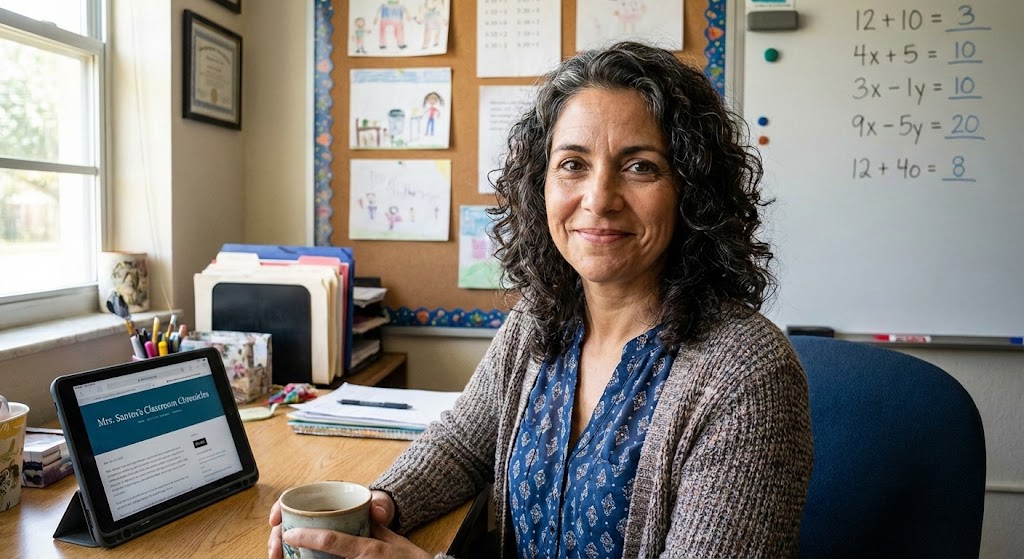
Maria Santos
Maria has been teaching 4th grade in Tampa, Florida for 22 years. Known as "the math whisperer" among her colleagues, she writes about the real challenges and victories of teaching in Florida's public schools.
When she's not grading papers or creating lesson plans, you can find Maria at her local teacher supply store (with coupons in hand) or sharing teaching tips over cafecito with her teacher friends.
View Full Profile →Related Articles
When Everyone's Brain is Already at the Beach (Including Yours)
Classroom management tip: Last Tuesday, I caught myself staring out the window during math, watching...
When May Hits and Everyone (Including You) Has Checked Out
Classroom management tip: Last Tuesday, I walked into my classroom to find three kids sprawled on th...
Ready to Improve Your FAST Scores?
Upload your class data and get personalized IXL success plans in seconds.
Try It Free