When Parents Are More Stressed Than Kids About School (And How to Help Them Chill)
Last week, I had a parent conference that made me want to hug a mom and hand her a cup of café con leche at the same time. Sarah's daughter Emma is doing just fine in my class, pero this mama was practically vibrating with anxiety about every assignment, every test, every little thing.
"Is she behind? Should I hire a tutor? What about summer school? Is she going to be ready for fifth grade?" The questions came rapid-fire while Emma sat there looking confused about why everyone was so worked up.
Here's the thing, friends. After 22 years in the classroom, I've learned that sometimes our parents need more support than our students do.
The Stress Is Real (And It's Everywhere)
We're living in intense times for families. Between B.E.S.T. standards, FAST testing, and all the academic pressure that trickles down, parents are feeling the heat. Add in social media where everyone's sharing their kid's latest achievement, and ay, dios mío, it's no wonder parents are stressed.
I get it. When my Daniela was in elementary school, I was that teacher-parent who still worried about everything. Even though I knew better, I'd find myself overthinking her homework and wondering if I was doing enough at home.
The problem is when our parent anxiety becomes bigger than our kid's actual struggles. That's when we need to step in and help families find their balance.
Signs a Parent Needs Some TLC
You know the ones. They email you three times about one assignment. They're asking for extra practice sheets when their child is already meeting standards. They mention tutoring for a kid who's doing perfectly fine.
Sometimes they'll say things like "I just want to make sure she doesn't fall behind" or "I don't want him to struggle like I did." The love is there, but the worry is taking over.
These parents aren't helicopter parents or pushy parents. They're scared parents. And scared parents need our compassion, not our judgment.
What I Tell Anxious Parents
First, I validate their feelings. "I can see how much you care about Emma's success. That love is her biggest advantage."
Then I share what I see. I pull out actual work samples and data. Not to overwhelm them with numbers, but to show concrete evidence of their child's progress. "Look at her writing from September compared to now. See how much more confident she's become with math word problems."
I remind them that learning isn't linear. Some weeks kids soar, other weeks they struggle. That's not failure, that's childhood. I tell them about my own kids' ups and downs, because sometimes parents need to hear that even teachers' children have rough patches.
Practical Ways to Support Stressed Parents
Create a "Good News" System
I started sending home weekly "celebration notes" for every student. Just a quick sentence about something positive I noticed. "Marcus helped a classmate with math today" or "Sophia showed great persistence during writing time."
This gives parents something concrete to focus on besides grades and test scores. It reminds them that their child is growing in ways that matter.
Share the Big Picture
During conferences, I spend time talking about the whole child, not just academics. "Let me tell you what I love about your daughter. She's kind, she asks thoughtful questions, and she never gives up when something is hard."
Parents need to hear that their child is more than their report card. We see their kids for six hours a day. We know their personalities, their strengths, their growth that can't be measured on a test.
Give Them Specific Ways to Help
Anxious parents want to DO something. Instead of saying "just read with them at home," I give specific suggestions. "Try reading the same book together and talking about your favorite parts" or "Let them teach you something they learned in math class."
This channels their energy into positive support instead of worry.
When Parents Need Professional Help
Sometimes the anxiety goes deeper than school stress. I've had parents break down crying during conferences because they're overwhelmed with everything in their lives. School worries become the tip of the iceberg.
When this happens, I gently suggest they talk to our school counselor or share resources for parent support groups. There's no shame in needing help, and sometimes we're the safe person who can point them toward it.
Setting Boundaries with Love
Here's something I learned the hard way. We can't fix every parent's anxiety, and we shouldn't try to. Our job is to teach their children and communicate clearly about their progress.
I had to learn to set loving boundaries with my most anxious parents. I respond to emails within 24 hours during school days, but not immediately. I schedule specific times for phone calls instead of taking them whenever panic strikes.
This actually helps parents too. When we're calm and consistent, it models the energy we want them to bring to their child's education.
The Ripple Effect
When we help parents manage their school anxiety, everyone wins. Kids pick up on their parents' stress levels, even when we think we're hiding it well. A calmer parent usually means a more confident student.
I've watched Emma's mom transform over the past few months. She still cares deeply (which I love), but now she asks different questions. Instead of "Is she behind?" she asks "What can I do to support her love of reading at home?"
That shift makes all the difference.
Remember Why We're All Here
At the end of the day, we're all on the same team. Parents want their children to succeed and be happy. We want the same thing. Sometimes we just need to remind each other that success looks different for every child and that our love and support matter more than perfect grades.
The next time you have a stressed parent in your classroom, take a deep breath and remember that their worry comes from love. Our job isn't to judge it, but to help channel it in ways that serve their child.
Because when parents feel supported and confident, they become our strongest partners in helping their children thrive.
What strategies have worked for you with anxious parents? I'd love to hear your stories in the comments below.
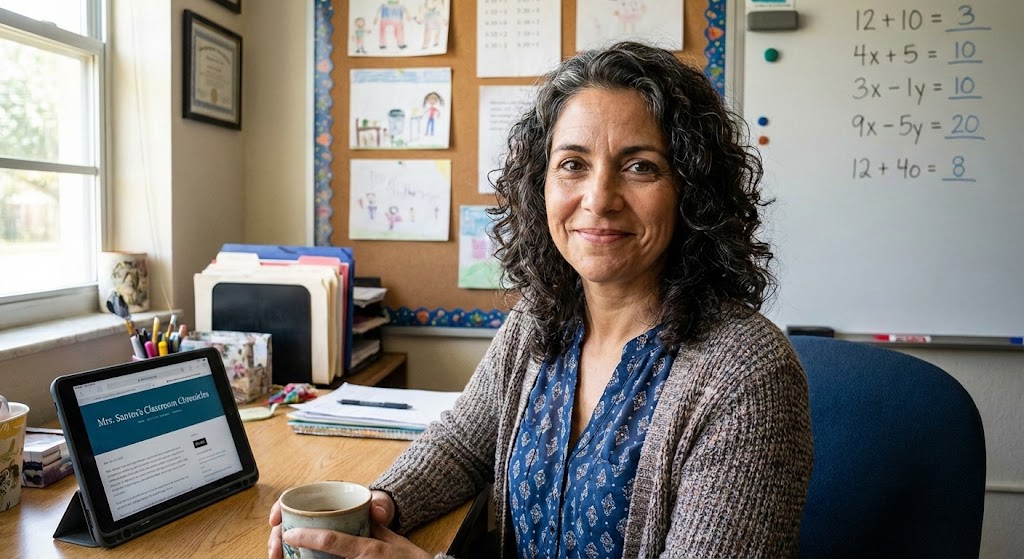
Maria Santos
Maria has been teaching 4th grade in Tampa, Florida for 22 years. Known as "the math whisperer" among her colleagues, she writes about the real challenges and victories of teaching in Florida's public schools.
When she's not grading papers or creating lesson plans, you can find Maria at her local teacher supply store (with coupons in hand) or sharing teaching tips over cafecito with her teacher friends.
View Full Profile →Related Articles
When Parents Say "My Child Would Never" (And What We Do Next)
Parent communication tip: Last Tuesday, I called Mrs. Rodriguez to discuss her son Miguel's behavior...
How to Talk to Parents About Test Scores Without Making Everyone Cry
Parent communication tip: Last week, I watched a parent's face crumple as I explained her daughter's...
Ready to Improve Your FAST Scores?
Upload your class data and get personalized IXL success plans in seconds.
Try It Free