When Your Classroom Feels Like a Beach Party (And Not the Good Kind)
It was 2:30 on a Tuesday in May, and I was pretty sure my classroom had been invaded by a pack of caffeinated squirrels.
Little Sofia was making paper airplanes out of her math worksheet. Miguel had somehow turned his pencil into a drumstick and was performing a solo on his desk. And don't even get me started on what happened when I asked them to line up for dismissal. It looked like a fire drill conducted by someone who'd never seen a straight line.
Sound familiar? Ay, those last few weeks of school when everyone (including us, let's be honest) is dreaming of sleeping in and pool days.
The Reality Check We All Need
Here's what I learned after 22 years of May meltdowns: our kids aren't trying to drive us crazy. Their little brains are just as fried as ours. They've been working hard all year, they can smell summer through those classroom windows, and their self-control tanks are running on empty.
But here's the thing, we still have learning to do. We still have standards to reinforce. And we definitely still need to maintain some semblance of order, or we'll all lose our minds before June.
The good news? Structure doesn't have to mean rigid. It just means predictable and purposeful.
Start Your Day Like You Mean It
I used to think I could ease up on my morning routine once FAST testing was over. Big mistake. Huge.
The morning routine is your anchor when everything else feels like it's floating away. Keep your greeting at the door. Keep your morning meeting or warm-up activity. Keep whatever signals to your kids that this is still a place where learning happens.
But maybe jazz it up a little. Instead of our usual "Good morning" song, we started doing "Good morning" in different languages each day. Same structure, fresh energy.
The Power of the Visual Schedule
Remember when your kids were little and you had to show them the bedtime routine chart every single night? Same concept applies here, mija.
Post your daily schedule where everyone can see it. When Miguel starts getting antsy during math, you can point to the schedule and say, "Look, we have 15 more minutes of math, then we move to our fun writing project."
It's not about being mean. It's about giving their scattered brains something solid to hold onto.
Make Transitions Your Secret Weapon
This time of year, transitions can either save your sanity or destroy it. There's no in-between.
I learned this the hard way during my third year teaching. I'd finish a lesson and just say, "Okay, get out your science books." Chaos. Pure chaos.
Now? I use countdowns, specific directions, and what I call "transition jobs." While most kids are switching subjects, a few kids have special tasks like passing out materials or cleaning the whiteboard. It keeps everyone focused and moving with purpose.
Try this: "In 30 seconds, you'll close your math journals and put them in the blue bin. Then you'll walk quietly to the carpet for science. Sofia, you're our timekeeper today."
Flexible Structure is Still Structure
Here's where I see a lot of us go wrong (myself included, for years). We think structure means everything has to be exactly the same every day until the bitter end.
But flexible structure? That's where the magic happens.
Keep your non-negotiables. For me, that's morning meeting, our reading block, and afternoon reflection. But be willing to adjust everything else based on what your kids need that day.
Is everyone extra wiggly because it's the first sunny day in a week? Move that math lesson outside. Are they struggling to focus after lunch? Try a five-minute brain break dance party.
The key is making these adjustments intentionally, not just throwing in the towel.
When Behavior Plans Need a Refresh
Let's talk about the elephant in the room. Your behavior management system that worked beautifully in October might be falling apart faster than a sandcastle in a hurricane.
That's normal. Your kids have changed, their needs have changed, and your classroom dynamic has evolved.
This doesn't mean starting from scratch. It means tweaking what you have. Maybe your clip chart needs new levels. Maybe your reward system needs summer-themed prizes. Maybe you need to have some heart-to-heart conversations about expectations.
Last year, I sat my kids down in late April and said, "Friends, I notice we're all feeling a little scattered. Let's talk about what we need to finish strong together." Best classroom meeting we had all year.
The Art of Strategic Fun
Here's what I wish someone had told me 20 years ago: fun and structure aren't enemies. They're best friends.
But the fun has to be strategic. Random fun feels chaotic. Planned fun feels like a reward for good choices.
Build fun into your structure. "After we complete our morning work, we'll have 10 minutes of choice time." "When everyone's cleaned up properly, we'll play that math game you love."
This teaches them that good things come after we handle our responsibilities. Life lesson right there, people.
Remember Your Own Needs
Can we have a real moment here? You're exhausted too. You're dreaming of that first morning you don't have to set an alarm. You're probably running on coffee and pure determination at this point.
Take care of yourself so you can take care of them. That might mean simplifying some lessons. It might mean asking for help from your grade level team. It might mean admitting that some days, survival is success.
The Home Stretch Mindset
We're not just trying to survive these last weeks. We're trying to send our kids off feeling confident, capable, and excited about learning.
That happens when they feel safe and supported, even when their behavior is testing every boundary you've set. That happens when they know you still believe in them, even when they're making paper airplanes out of their worksheets.
Keep your structure, but hold it lightly. Stay consistent, but be compassionate. Remember that they're not giving you a hard time, they're having a hard time.
You've got this, and they've got you. That's a pretty good combination for finishing strong.
Now go forth and may your lines be straight and your transitions be smooth. We're almost there, teachers.
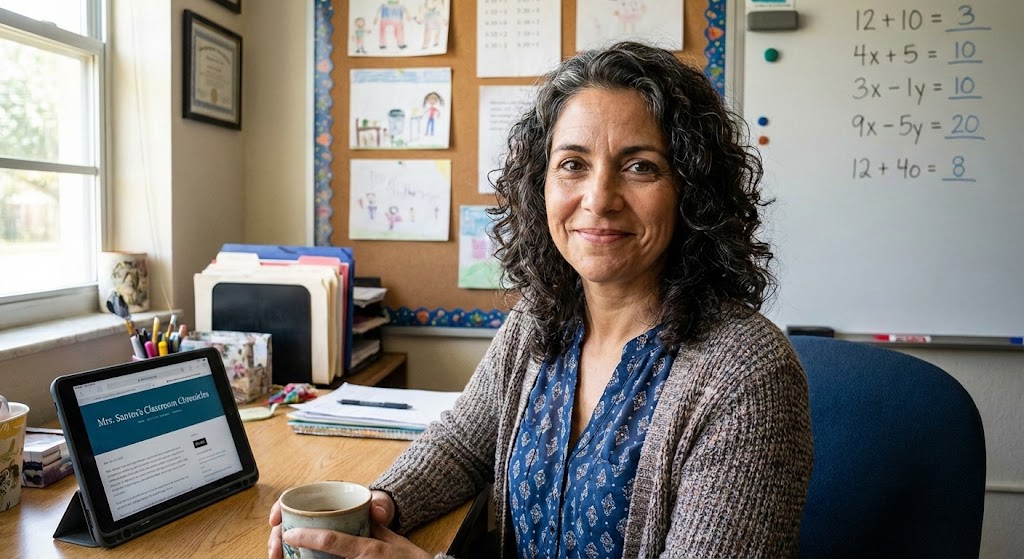
Maria Santos
Maria has been teaching 4th grade in Tampa, Florida for 22 years. Known as "the math whisperer" among her colleagues, she writes about the real challenges and victories of teaching in Florida's public schools.
When she's not grading papers or creating lesson plans, you can find Maria at her local teacher supply store (with coupons in hand) or sharing teaching tips over cafecito with her teacher friends.
View Full Profile →Related Articles
When Everyone's Brain is Already at the Beach (Including Yours)
Classroom management tip: Last Tuesday, I caught myself staring out the window during math, watching...
When May Hits and Everyone (Including You) Has Checked Out
Classroom management tip: Last Tuesday, I walked into my classroom to find three kids sprawled on th...
Ready to Improve Your FAST Scores?
Upload your class data and get personalized IXL success plans in seconds.
Try It Free