When Your Stress is Showing (And Your Kids Are Feeling It Too)
Last Tuesday, little Sofia looked up at me during our morning routine and said, "Señora Santos, you look worried. Are we in trouble?"
Ay, out of the mouths of babes, right? I thought I was hiding my FAST testing anxiety pretty well, but apparently my fourth graders could read me like an open book. If a nine-year-old can spot my stress from across the room, imagine what the rest of my 23 students were picking up on.
Here's the thing we don't talk about enough: our kids are emotional sponges. When we're stressed about testing, data, observations, or whatever fresh chaos the district has thrown our way this week, they absorb every bit of that energy. And stressed kids don't perform well on anything, let alone high-stakes tests.
The Mirror Effect is Real
I learned this lesson the hard way about fifteen years ago. It was my second year teaching, and I was convinced that if my kids didn't pass the FCAT (yes, I'm dating myself here), it would somehow prove I was a terrible teacher. I spent weeks drilling test prep, snapping at kids for talking, and basically turning my classroom into a pressure cooker.
You know what happened? My test scores were mediocre at best, but worse than that, I had kids crying during testing. One of my sweetest students, Marcus (not my son, different Marcus), threw up from anxiety on test day. The kid who loved math suddenly "forgot" how to do basic multiplication because he was so wound up.
That's when I realized something important: my stress was contagious, and it was making everything worse.
Start with Your Own Oxygen Mask
Before we can help our kids stay calm, we have to get our own stress in check. I know, I know. Easier said than done when you've got administrators breathing down your neck and parents asking why little Johnny's practice scores aren't higher.
But here's what I do now, and it actually works.
Morning Reset Routine: Before my kids arrive, I take five minutes to do what I call my "teacher meditation." Nothing fancy. I sit at my desk, close my eyes, and remind myself of three things: I am a good teacher. My kids are more than their test scores. We're going to be okay.
Some days I have to repeat that last one a few times.
Perspective Check: I keep a photo on my desk of my first class from 2001. Those babies are all in their twenties now, and guess what? The ones who "failed" that test are doing just fine. One's a nurse, another owns a food truck, and several went to college. Tests don't define destinies.
Creating Calm in the Chaos
Once I started managing my own stress better, I could focus on helping my kids stay centered. Here are the strategies that work in my classroom, especially during testing season.
The Weather Report Strategy
Every morning, we do a quick "weather report" on how we're feeling. Kids can say they're sunny (great day), partly cloudy (okay but a little worried), or stormy (not feeling good). I participate too, and I'm honest about my partly cloudy days.
This does two things. It gives kids permission to not be perfect, and it lets me know who might need extra support. When I say I'm feeling partly cloudy because I'm worried about something at school, they see that adults have feelings too, and that's normal.
Breathing Breaks That Don't Feel Silly
Let's be real. Fourth graders think meditation is weird. But they don't think "getting our brains ready to think" is weird. So that's what I call it.
We do 30-second breathing breaks throughout the day. I tell them we're "clearing the fog from our brains" so we can think better. Breathe in for four counts, hold for four, out for four. Simple, quick, and it works.
During testing season, I make sure to do this right before any practice tests or stressful activities.
The Worry Box
I have an actual shoebox covered in wrapping paper where kids can put their worries. They write them down (or draw them) and "give them to the box" so they don't have to carry them around. Before big tests, that box gets pretty full.
I don't read them unless a kid asks me to, but just having somewhere to put those anxious thoughts helps them focus on what they need to do.
Honest Conversations About Testing
Here's something I wish I'd learned earlier: kids can handle the truth, and they actually feel better when you're honest with them.
I tell my students that tests are just one way to show what they know, like a snapshot instead of a whole photo album. I explain that I have to give them these tests because it's my job, but that I know they're smart regardless of what any test says.
I also tell them that sometimes I get nervous about tests too, because I want them to have a chance to show off how much they've learned. That honesty builds trust and takes some of the mystery (and fear) out of testing.
When You're Barely Hanging On
Some days, despite our best efforts, we're just barely keeping it together. Maybe you got bad news at home, or the principal dropped another initiative on your plate, or you're just exhausted from this beautiful but demanding job we do.
On those days, it's okay to tell your kids you're having a tough day and ask for their help keeping the classroom calm. They usually rise to the occasion, and it teaches them that everyone struggles sometimes.
I remember one particularly rough day last year when I was dealing with my mom's health scare. I told my kids I was worried about my family and might seem distracted. You know what happened? They were angels all day. They took care of each other and reminded each other of classroom rules without me having to say a word.
The Ripple Effect of Calm
When we work on staying calm ourselves and creating peaceful spaces for our kids, something amazing happens. The stress doesn't disappear completely (this is still teaching, after all), but it becomes manageable. Kids feel safe to take risks, make mistakes, and actually learn instead of just surviving.
And here's the bonus: when test day comes, your students will be prepared not just academically, but emotionally. They'll walk into that testing room knowing their teacher believes in them and that their worth isn't determined by their score.
Your Turn
This week, try one small thing to bring more calm to your classroom. Maybe it's those 30-second breathing breaks, or maybe it's just being honest with your kids about how you're feeling. Start small, but start somewhere.
Remember, we can't control the testing mandates or the pressure from above, but we can control the energy we bring to our classrooms. Our kids are counting on us to be their calm in the storm.
You've got this, and so do they.
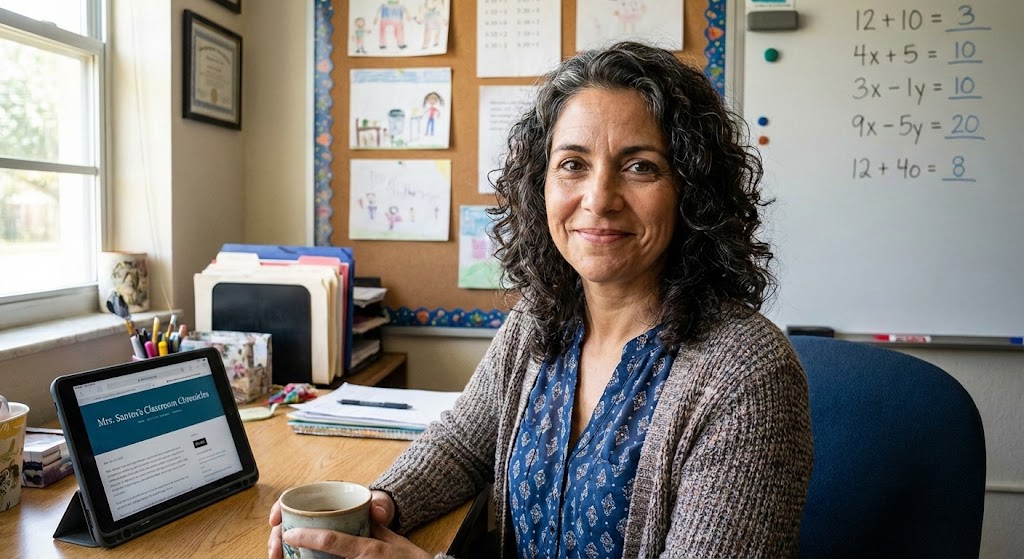
Maria Santos
Maria has been teaching 4th grade in Tampa, Florida for 22 years. Known as "the math whisperer" among her colleagues, she writes about the real challenges and victories of teaching in Florida's public schools.
When she's not grading papers or creating lesson plans, you can find Maria at her local teacher supply store (with coupons in hand) or sharing teaching tips over cafecito with her teacher friends.
View Full Profile →Related Articles
When You're Barely Holding It Together But Your Kids Need You to Be Their Rock
FAST test prep tip: Last Tuesday, I walked into my classroom with my coffee mug still sitting on my ...
After the FAST Storm: My Post-Testing Recovery Plan That Actually Works
FAST test prep tip: Last week, little Sofia came up to me during morning work and whispered, "Mrs. S...
Ready to Improve Your FAST Scores?
Upload your class data and get personalized IXL success plans in seconds.
Try It Free