Your Fall Assessment Data Isn't Broken, You're Just Reading It Wrong
Last Tuesday, I watched my colleague Jennifer stare at her fall assessment results like they were written in ancient hieroglyphics. "Maria," she said, "these numbers make no sense. How did Sofia score so low in math when she's been doing fine in class?"
I've been there, mija. Twenty-two years ago, I would have looked at those same numbers and either panicked or dismissed them entirely. But here's what I've learned: fall assessment data isn't broken. We just need to become better detectives.
The Data Isn't the Whole Story
Let me tell you about Marcus (not my son, my student Marcus). His fall FAST scores suggested he was struggling with basic multiplication facts. But when I watched him work, I noticed something different. He knew his facts just fine. The problem? He was second-guessing himself and changing correct answers.
The data showed a math problem. The real issue was confidence.
This is why we can't just look at the numbers and start planning intervention groups. We need to dig deeper and ask better questions.
What Fall Data Actually Tells Us (And What It Doesn't)
Fall assessments give us a snapshot, not a movie. They tell us where our students are on one particular day, after a summer break, in a new classroom, with new expectations.
Here's what the data CAN tell us: - Which skills need immediate attention - How much summer slide affected our class - Where to focus our first quarter instruction - Which students might need additional support
Here's what it CAN'T tell us: - How hard a student has been working - What's happening at home - Whether they had breakfast that morning - If they were nervous about the new test format
I learned this lesson the hard way during my third year teaching. I had a student, Carmen, whose scores were so low I immediately recommended her for intensive intervention. Three weeks later, I discovered she had missed the first two weeks of the previous school year due to a family emergency. The data wasn't lying, but it wasn't telling the whole truth either.
Look for Patterns, Not Just Numbers
When I analyze fall data now, I'm looking for patterns that tell me how to help each child. Here's my process:
First, I sort by overall performance. But I don't stop there. I look at the students who scored in the middle. Sometimes these kids get overlooked, but they often show the most interesting patterns.
Then, I look at individual skill breakdowns. A student might score "approaching" overall but show mastery in some areas and significant gaps in others. That's actionable information.
Finally, I cross-reference with what I'm seeing in class. If the data and my observations don't match, I investigate further. Usually, there's a story there worth uncovering.
The Questions That Matter More Than Scores
Instead of asking "Why did they score so low?" try these questions:
"What skills do they have that we can build on?"
Last year, I had a student named Jayden whose overall math score was concerning. But when I looked closer, his geometry and measurement skills were solid. We used those strengths as a bridge to help him with number operations.
"What patterns do I see across multiple students?"
If half your class is struggling with the same concept, that's not 15 individual problems. That's one curriculum gap you can address with whole-group instruction.
"How does this compare to what I'm seeing daily?"
Sometimes a student bombs an assessment but shows understanding in class discussions. Sometimes it's the opposite. Both scenarios give you valuable information about how that child learns best.
Making Data Work for You (Not Against You)
Here's my practical approach to fall data analysis:
Start with celebrations. I always begin by identifying what my students CAN do. This isn't just feel-good fluff. When you know a student's strengths, you can use them to address weaknesses.
Group by need, not just by score. Three students might all score "approaching," but one needs help with basic facts, another with word problems, and the third with test-taking strategies. Same score, different instruction needed.
Set realistic timelines. If a student is performing significantly below grade level, they're not going to jump to proficient by December. But they can make meaningful progress, and that's worth celebrating.
When the Data Surprises You
Sometimes fall assessments reveal students who are further along than we expected. Don't ignore this data either.
Two years ago, I had a quiet student named Isabella whose scores suggested she was ready for more challenging work. But because she never spoke up in class, I hadn't noticed. The data pushed me to look more carefully, and sure enough, she was bored out of her mind.
We adjusted her instruction, and she blossomed. Without that data, I might have missed her needs entirely.
The Reality Check We All Need
Here in Florida, we're under constant pressure to show growth, meet benchmarks, and prove our worth through test scores. But remember: we're not data analysts. We're teachers.
The numbers are tools, not judgments. They don't define our students or our effectiveness. They're simply one piece of information we can use to make better decisions.
I've seen teachers drive themselves crazy trying to "fix" every low score by winter assessments. That's not realistic or healthy. Focus on meaningful progress, not perfect scores.
Your Next Steps
Before you dive into intervention planning, take a breath. Look at your data with curiosity, not panic.
Identify three students whose data surprised you (either positively or negatively). Spend some extra time observing them this week. See if you can figure out the story behind their numbers.
Remember, we've got this. Fall assessments are just the beginning of the conversation with our students, not the end of it.
The real assessment happens every day in our classrooms when we watch them think, struggle, grow, and succeed. Trust that process as much as you trust the data.
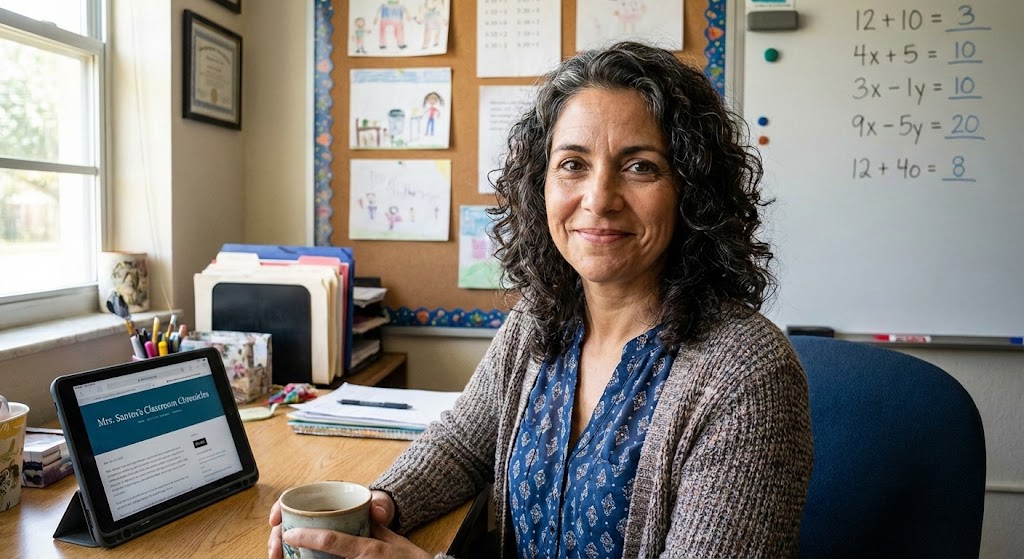
Maria Santos
Maria has been teaching 4th grade in Tampa, Florida for 22 years. Known as "the math whisperer" among her colleagues, she writes about the real challenges and victories of teaching in Florida's public schools.
When she's not grading papers or creating lesson plans, you can find Maria at her local teacher supply store (with coupons in hand) or sharing teaching tips over cafecito with her teacher friends.
View Full Profile →Related Articles
When Your Stress is Showing (And Your Kids Are Feeling It Too)
FAST test prep tip: Last Tuesday, little Sofia looked up at me during our morning routine and said, ...
When You're Barely Holding It Together But Your Kids Need You to Be Their Rock
FAST test prep tip: Last Tuesday, I walked into my classroom with my coffee mug still sitting on my ...
Ready to Improve Your FAST Scores?
Upload your class data and get personalized IXL success plans in seconds.
Try It Free