The Art of Making Dollar Tree Finds Look Like Pottery Barn Kids
Last week, a parent walked into my classroom and asked if our school had gotten a "makeover budget." I almost choked on my cafeteria coffee. Mija, if only she knew that my entire classroom transformation cost less than what she probably spent on her kid's new sneakers.
The truth is, we teachers have become masters of illusion. We can make a cardboard box look like custom storage and turn pool noodles into professional learning tools. But there's a difference between "clearly homemade" and "wait, where did you buy that?"
After 22 years of stretching every dollar until it screams, I've learned the secrets to creating a classroom that looks intentional and polished, not like a craft explosion happened over the weekend.
Start With a Color Story (Not a Rainbow Explosion)
My first classroom looked like a unicorn had a party and forgot to clean up. Every bulletin board was a different color, my bins were whatever I could find on clearance, and honestly, it gave me a headache just looking at it.
Now I stick to three colors max. This year it's navy, white, and natural wood tones. When everything coordinates, even the most basic DIY projects look intentional.
Here's my Dollar Tree hack: buy all your storage bins, baskets, and containers in the same color family. Those basic plastic bins suddenly look cohesive when they're all white or all black. Add some peel-and-stick wood grain contact paper to a few of them, and boom, you've got a "curated collection."
The Magic of Contact Paper and Spray Paint
Contact paper is a teacher's best friend, pero you have to use it right. The key is choosing patterns that look real. That fake wood grain I mentioned? It actually looks like wood from three feet away. The marble pattern makes plastic look like stone.
I transformed my entire classroom library last summer with $15 worth of contact paper. Those beat-up plastic book bins now look like expensive wooden crates. The trick is taking your time with the corners and edges. Sloppy application screams "DIY disaster."
Spray paint is another game changer, but here's what I learned the hard way: invest in the good stuff. That cheap spray paint will chip, fade, and make everything look obviously painted. Rust-Oleum's Universal line costs a few dollars more, but it makes plastic look like metal and gives you that smooth, professional finish.
Lighting Makes Everything Look Expensive
Fluorescent lights are the enemy of any Instagram-worthy classroom. But we can't exactly rewire the school, so we work around it.
String lights aren't just for dorm rooms. The warm white LED ones (not the colored party lights) instantly make any space feel cozy and intentional. I string them around my reading corner and suddenly my mismatched garage sale furniture looks like a boutique book nook.
Table lamps from thrift stores are pure gold. A $3 lamp with a new shade from Walmart can transform a corner. The soft lighting hides imperfections and makes everything look more polished.
Fabric: The Great Equalizer
Here's a secret that took me years to figure out: fabric can make anything look expensive. Those plastic storage cubes from Target? Wrap them in burlap or canvas, and they look like custom furniture.
I hit up the fabric remnant bins at Walmart and Joann's. You don't need much, and those end pieces are usually 50-70% off. A yard of fabric can cover a bulletin board, wrap a storage ottoman, or create a table runner that ties everything together.
Hot glue is fine for quick fixes, but if you want it to last, learn to use a staple gun. It's not scary, I promise. Even my husband Carlos was impressed when I reupholstered our classroom reading chair for $8.
The Power of Plants (Real or Really Good Fake Ones)
Nothing says "I have my life together" like healthy plants. But let's be real, keeping plants alive when you're managing 24 fourth-graders is challenging.
Good fake plants have come a long way. The key is choosing ones that look real and putting them in nice pots. Those cheap plastic planters are a dead giveaway. I buy simple terracotta or white ceramic pots and suddenly my fake fiddle leaf fig looks like I hired a decorator.
If you want to try real plants, start with pothos or snake plants. They're practically indestructible, and my students love helping water them.
Storage That Doesn't Scream "Classroom"
We need storage, lots of it. But those bright plastic drawers and milk crates don't have to look like, well, bright plastic drawers and milk crates.
Wooden crates from Michael's (always use that 40% off coupon) look way more sophisticated than plastic bins. Stack them, mount them on walls, use them as end tables. They're versatile and actually look like furniture.
For smaller storage, mason jars and glass containers from the dollar store look clean and intentional. Group them on a wooden tray, and you've got an organized supply station that looks Pinterest-worthy.
The Details That Make the Difference
It's the little touches that sell the illusion. Real books mixed in with your classroom library (hit up library book sales). A small area rug to define your reading space. Picture frames around your anchor charts instead of just stapling them to the wall.
I keep a small basket of real magazines on my reading table. They're free from waiting rooms (ask first), but they make the space feel more like a coffee shop than a classroom.
When Students Ask "Did You Make That?"
The best compliment isn't when adults notice. It's when little Jayden asks where I bought something I clearly made myself. That's when you know you've mastered the art of elevated DIY.
Our students deserve beautiful spaces just as much as kids in wealthy districts. We might have to be more creative about it, but honestly, I think our resourcefulness makes our classrooms even more special.
Your classroom doesn't have to look homemade just because you made it at home. With a little planning and the right techniques, you can create a space that looks intentional, professional, and completely you.
Now go forth and create some magic, one Dollar Tree find at a time.
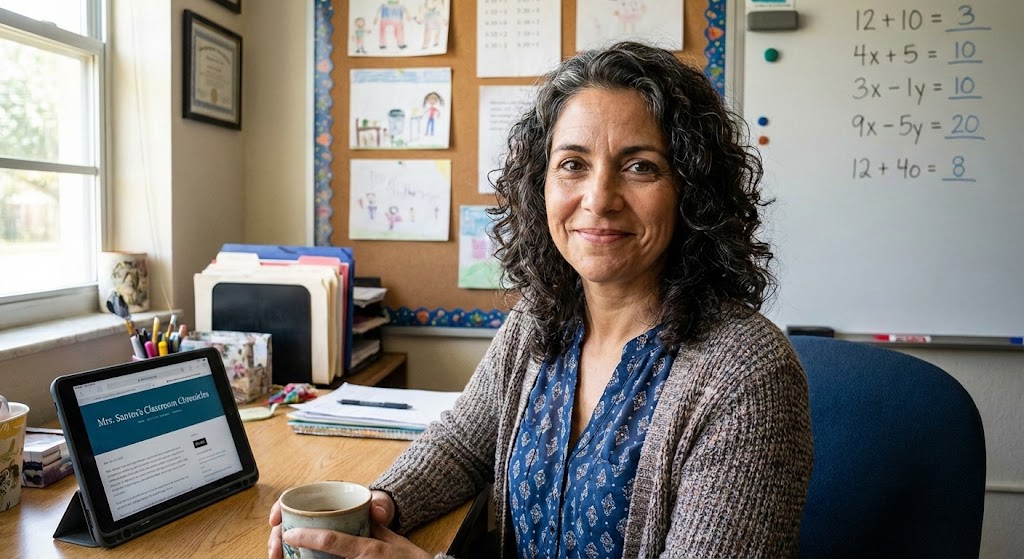
Maria Santos
Maria has been teaching 4th grade in Tampa, Florida for 22 years. Known as "the math whisperer" among her colleagues, she writes about the real challenges and victories of teaching in Florida's public schools.
When she's not grading papers or creating lesson plans, you can find Maria at her local teacher supply store (with coupons in hand) or sharing teaching tips over cafecito with her teacher friends.
View Full Profile →Related Articles
How I Furnished My Classroom for Free (And You Can Too!)
Budget-friendly teaching tip: Picture this: August 2002, my second year teaching. I walked into my n...
My $20 Math Manipulative Haul That Changed Everything
Budget-friendly teaching tip: Last month, I watched my colleague Jennifer spend $150 on a set of fra...
Ready to Improve Your FAST Scores?
Upload your class data and get personalized IXL success plans in seconds.
Try It Free