The First Week Isn't About Curriculum (And Other Hard-Won Truths)
Last Monday, I watched a brand new teacher next door frantically laminating math centers at 7:45 AM while her students lined up outside. She had color-coded bins, perfectly organized supplies, and a detailed lesson plan that would make any principal weep with joy.
By 9 AM, she was near tears because little Jayden had already knocked over two bins, Sofia was crying because she couldn't find her pencil, and half the class was still confused about where to put their backpacks.
Sound familiar? Ay, it should. Because that was me 22 years ago, thinking the first week was about jumping into academics.
The Real Purpose of Week One
Here's what I wish someone had told me back then: the first week isn't about teaching content. It's about teaching your students how to be students in YOUR classroom.
I know, I know. We feel this pressure to dive right into B.E.S.T. standards and start prepping for FAST testing. But trust me on this one. The time you spend in week one building routines and relationships will save you months of headaches later.
Think of it like this. Carlos always tells his apprentices that the first day on any job site is about learning where the tools are, how the crew communicates, and what the safety protocols look like. You don't hand someone a live wire on day one.
Our classrooms work the same way.
Start with the Basics (Not the Boring Stuff)
When I say basics, I don't mean reading your classroom rules in a monotone voice while 28 fourth graders glaze over. I mean the actual mechanics of how your classroom runs.
Where do they sharpen pencils? When can they use the bathroom? What does your "I need help" signal look like? How do they know if they're supposed to be listening to you versus working independently?
This year, I spent the first three days just on transitions. We practiced lining up, coming to the carpet, getting supplies, and cleaning up. Over and over. I made it into games, added music, and celebrated when we got faster.
Was it repetitive? Absolutely. But by Thursday, when I said "Math journals, please," twenty-six kids smoothly grabbed their journals and were ready to work in under a minute. No chaos, no confusion, no lost instructional time.
The Magic of "Controlled Mistakes"
Here's a trick I learned from my colleague Patricia: make mistakes on purpose during that first week.
I'll "forget" to give clear directions for an activity and then stop everything. "Wow, I notice some of you aren't sure what to do. What information did I leave out?" We problem-solve together, and suddenly they understand why our classroom procedures matter.
Or I'll start teaching while half the class is still getting settled. Then I pause and say, "I'm noticing I don't have everyone's attention yet. What should I do differently?"
These little moments teach them what your expectations actually look like in practice, not just in theory.
Building Your Classroom Community
The other huge piece of week one? Helping your students see themselves as a team.
I do something called "Classroom Puzzle" where each kid decorates a puzzle piece with their name and something special about them. We put it together on our bulletin board, and I explain that our classroom only works when every single piece is here.
Sounds cheesy, pero it works. When Miguel was absent later in September, Sofia pointed to our puzzle and said, "We're missing a piece today." That's the kind of classroom culture that carries you through the tough days.
We also establish our class identity. What kind of learners are we? What do we do when someone makes a mistake? How do we celebrate each other's successes?
This isn't touchy-feely stuff, by the way. Research shows that students learn better when they feel like they belong. And in a Title I school like mine, some of these kids have never experienced a classroom where they felt truly welcomed.
The Parent Connection
Don't forget about families during week one. I send home a simple note (in English and Spanish) introducing myself and sharing three things: what I'm excited about this year, one way they can help at home, and how they can reach me.
I keep it short and positive. No overwhelming lists of supplies they need to buy or complex homework policies. Just a warm hello and an open door.
I also make at least five positive phone calls that first week. Just quick ones. "Hi, this is Ms. Santos, Carlos's teacher. I wanted you to know he was so helpful today when a classmate dropped their supplies. He's going to have a great year."
Those two-minute calls? Pure gold. They set the tone that I'm going to notice the good stuff, not just call when there's a problem.
What About Academics?
I can hear some of you thinking, "But Maria, we have so much curriculum to cover!"
I get it. The pressure is real. But here's the thing: you can absolutely weave academic content into community building and routine practice.
When we're practicing our line-up procedure, I have them line up by birthday month (calendar skills). When we're learning our hand signals, I teach the one for "I disagree respectfully" and we practice using it during a simple this-or-that discussion.
Our getting-to-know-you activities involve graphing, writing, and speaking skills. I'm still teaching, just with a different focus.
Your Week One Survival Kit
Here are the non-negotiables that have saved my sanity year after year:
Day 1: Tour the room, practice basic signals, establish bathroom/water procedures Day 2: Practice transitions, introduce your help-seeking system, start building community Day 3: Add in work procedures (how to head papers, where to turn things in, what finished work looks like) Day 4: Practice everything again, introduce your behavior system, make those first parent calls Day 5: Celebrate how much you've all learned together, preview what next week will look like
Keep your actual lessons short and sweet. Twenty minutes max. Their brains are on overload just figuring out this new environment.
When Things Go Wrong (Because They Will)
Even with all this planning, something will go sideways. A kid will have a meltdown, you'll realize your bathroom procedure makes no sense, or the fire alarm will go off right when you're explaining your most important routine.
Roll with it. Your students are watching to see how you handle the unexpected. Show them that mistakes are just information, not disasters.
The Long Game
I know it's tempting to rush through this foundation building. Especially when you see other teachers posting about their amazing first-week projects on social media.
But remember: you're not just teaching fourth grade. You're teaching kids how to learn, how to be part of a community, and how to navigate challenges. Those skills matter way beyond any single lesson.
The classroom that runs smoothly in October? It's because of the investment you make in August.
So take a deep breath, focus on your people, and trust the process. Your students will learn the academics. But first, they need to learn how to be learners in your space.
You've got this, and so do they.
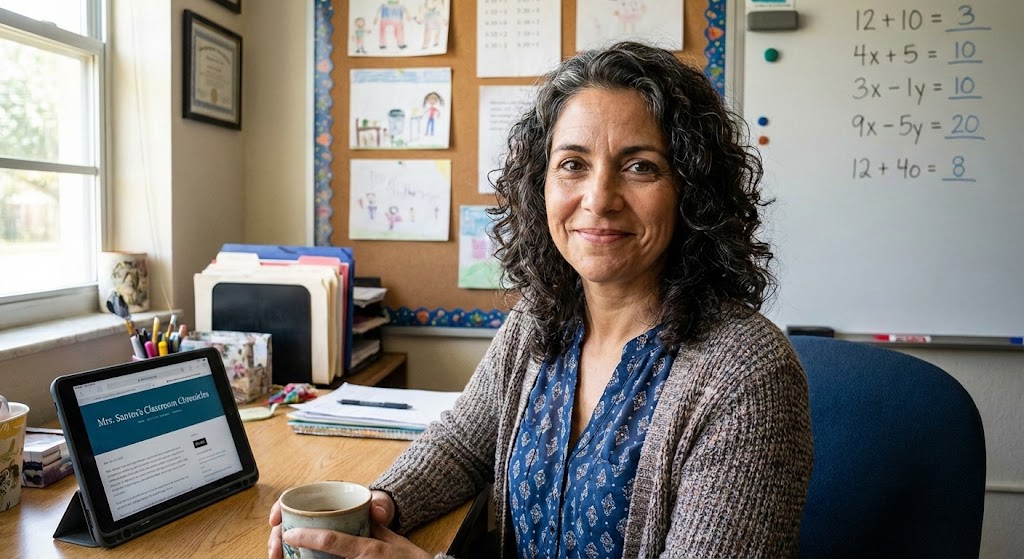
Maria Santos
Maria has been teaching 4th grade in Tampa, Florida for 22 years. Known as "the math whisperer" among her colleagues, she writes about the real challenges and victories of teaching in Florida's public schools.
When she's not grading papers or creating lesson plans, you can find Maria at her local teacher supply store (with coupons in hand) or sharing teaching tips over cafecito with her teacher friends.
View Full Profile →Related Articles
When Everyone's Brain is Already at the Beach (Including Yours)
Classroom management tip: Last Tuesday, I caught myself staring out the window during math, watching...
When May Hits and Everyone (Including You) Has Checked Out
Classroom management tip: Last Tuesday, I walked into my classroom to find three kids sprawled on th...
Ready to Improve Your FAST Scores?
Upload your class data and get personalized IXL success plans in seconds.
Try It Free