The First Week Magic: How to Set Your Classroom Up for Success (Without Losing Your Mind)
Last week, I watched a brand-new teacher down the hall trying to jump straight into her math curriculum on day two. Bless her heart, she had her anchor charts perfectly laminated and her lesson plans color-coded. But by Wednesday, half her kids were wandering around confused and the other half were testing every boundary she hadn't established yet.
I wanted to tell her what I wish someone had told me back in 2002: The first week isn't about curriculum, mija. It's about building the foundation for everything else you'll do this year.
Start with Connection, Not Content
Here's what I learned the hard way during my second year of teaching. I was so worried about "covering material" that I dove straight into academics. Big mistake. By October, I had a classroom full of kids who could solve math problems but couldn't work together, follow routines, or trust me when things got tough.
Now? I spend the first week getting to know my students as people first, learners second.
I start each day with what I call "Morning Connections." Nothing fancy, just five minutes where we share something real. Monday might be "Tell us about your family." Tuesday could be "What's something you're really good at?"
Last year, quiet little Sofia shared that she helps her abuela make empanadas every Sunday. That tiny piece of information became my bridge to her all year long. When she struggled with fractions, I talked about cutting the empanada dough. When she felt overwhelmed, I reminded her how patient and careful she was in the kitchen.
Build Routines Like You're Building a House
You know how my husband Carlos always says you can't put up walls without a solid foundation? Same thing with classroom routines, but it took me years to figure this out.
I used to think routines were just about keeping kids busy. Now I know they're about creating safety and predictability for students who might not have much of either at home.
Here's my non-negotiable first-week routine checklist:
Morning Procedures: Where do they put their backpacks? How do they turn in homework? What do they do if they're early? Practice this every single day until it's automatic.
Attention Signals: Pick one and stick with it. I use "Oye, mis estudiantes" and they respond "Yes, Señora Santos." Simple, respectful, and it works.
Bathroom and Water Breaks: Be explicit about this. I learned this lesson when little Marcus (not my son, different Marcus) had an accident because he was too shy to ask and didn't know the procedure.
End of Day Cleanup: Assign jobs, set a timer, play music. Make it feel like teamwork, not punishment.
The key is practicing these routines without any academic pressure. Run through them like you're rehearsing a play.
Set Expectations Together
This might sound crazy, but I don't create my classroom rules anymore. We build them together during that first week.
I start by asking, "What kind of classroom do you want this to be?" Then I listen. Really listen.
They always come up with the important stuff: "A place where we help each other." "Somewhere we can make mistakes." "A room where everyone is kind."
Then we talk about what behaviors would help us create that kind of classroom. Suddenly, "Don't run in the classroom" becomes "We move safely so everyone feels secure." It's the same rule, but now they own it.
I write everything down on chart paper, and we sign it like a contract. Pero, here's the secret: I guide the conversation so we end up with the expectations I need, but they feel like the kids created them.
Learn Their Stories
During that first week, I'm a detective gathering clues about each student. Not just academic information, but the stuff that really matters.
Who rides the bus and might be tired by afternoon? Who has little siblings they worry about? Who lights up when we talk about soccer but shuts down during reading?
I keep a simple notebook where I jot down these observations. "Emma perks up during hands-on activities." "James needs movement breaks." "Aiden mentions his dad is deployed."
These notes become gold later in the year when I need to motivate, redirect, or just connect with a struggling student.
Practice the Hard Stuff
By Thursday of the first week, I'm practicing the challenging situations. What happens when someone doesn't have their homework? How do we handle disagreements? What's our plan when someone feels frustrated?
I actually role-play these scenarios with my students. It feels silly at first, but when October comes and emotions are running high, they remember what we practiced.
"Remember how we talked about taking deep breaths when math feels hard? Let's try that strategy now."
Don't Forget About You
Here's something nobody tells new teachers: You're building routines for yourself too.
Where will you put the papers that need grading? How will you handle parent emails? When will you eat lunch? (And I mean actually eat, not just supervise kids while holding a sandwich.)
I learned this lesson during my third year when I was so focused on my students' routines that I forgot to create sustainable ones for myself. By November, I was burnt out and cranky, which helped nobody.
Now I'm as intentional about my routines as I am about theirs. I have a basket for papers to grade, a specific time for checking email, and a rule that I eat lunch sitting down like a human being.
The Magic Happens in the Details
You want to know the real secret? The magic isn't in the big moments. It's in the tiny details that show kids you care.
Learning to pronounce every name correctly, even if it takes you all week. Noticing when someone gets a haircut. Remembering that Sophia is nervous about her mom's new job.
These little things build trust faster than any curriculum ever could.
When Things Go Wrong (And They Will)
Even with the best planning, something will go sideways during the first week. Last year, the air conditioning broke on day three and we were all melting in the Florida heat. The year before that, we had a fire drill right in the middle of our classroom rules discussion.
Roll with it. Your students are watching to see how you handle unexpected challenges. Show them that flexibility and problem-solving are part of learning too.
Looking Ahead
By Friday of the first week, you should have kids who know where they belong, what's expected of them, and that you genuinely care about their success. The curriculum can wait a few more days.
Trust me on this: The time you spend building community and routines in week one will save you hours of redirecting and re-teaching later in the year.
Your perfectly planned lessons won't matter if kids don't feel safe, connected, and clear about expectations. But when you get that foundation right? Ay, Dios mío, the learning that happens after that is beautiful.
Take it slow, build it right, and remember that some of the most important teaching happens before you ever open that first textbook.
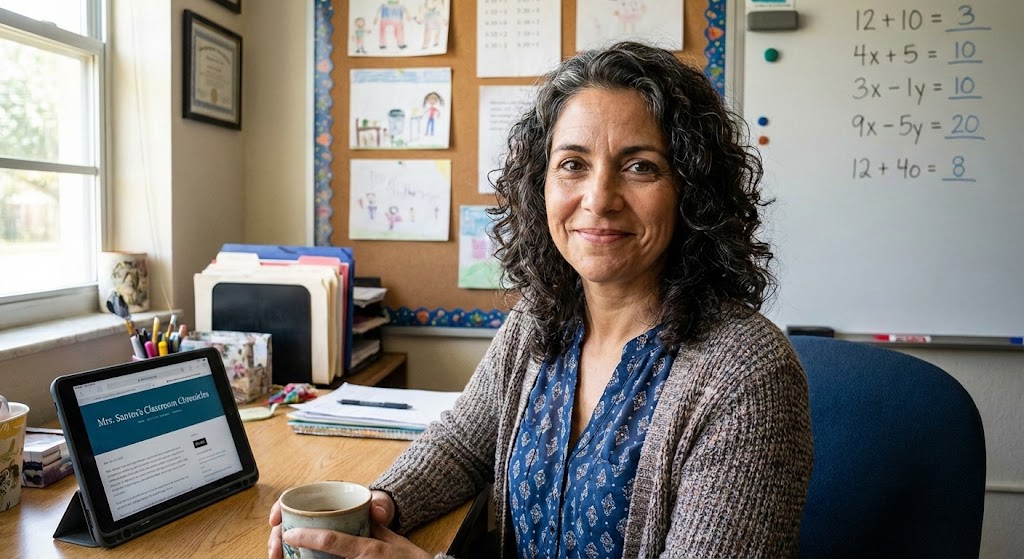
Maria Santos
Maria has been teaching 4th grade in Tampa, Florida for 22 years. Known as "the math whisperer" among her colleagues, she writes about the real challenges and victories of teaching in Florida's public schools.
When she's not grading papers or creating lesson plans, you can find Maria at her local teacher supply store (with coupons in hand) or sharing teaching tips over cafecito with her teacher friends.
View Full Profile →Related Articles
When Everyone's Brain is Already at the Beach (Including Yours)
Classroom management tip: Last Tuesday, I caught myself staring out the window during math, watching...
When May Hits and Everyone (Including You) Has Checked Out
Classroom management tip: Last Tuesday, I walked into my classroom to find three kids sprawled on th...
Ready to Improve Your FAST Scores?
Upload your class data and get personalized IXL success plans in seconds.
Try It Free