The Great Pre-Break Meltdown (And How to Avoid It)
Last December, I watched my usually well-behaved fourth graders turn into tiny tornadoes the week before winter break. Little Sofia was literally bouncing in her seat during math, Marcus kept asking "How many days until break?" every ten minutes, and don't even get me started on what happened during our science lesson. Let's just say that mixing baking soda and vinegar while kids are already hyped up on holiday cookies was not my brightest moment.
Sound familiar?
Every year, we face the same challenge. The calendar says we have five more days of learning, but our students' brains checked out somewhere around Thanksgiving. As teachers, we're caught between wanting to honor the excitement of the season and knowing we still have standards to cover.
After 22 years in the classroom, I've learned that fighting against the holiday energy is like trying to stop a hurricane with an umbrella. Instead, we need to work with it.
Embrace the Energy (Don't Fight It)
Here's what I wish someone had told me during my first year: that pre-break energy isn't your enemy. It's actually an opportunity.
Kids are excited, which means they're alert and engaged. The trick is channeling that excitement into learning instead of letting it turn into chaos.
I start the week before break by acknowledging the elephant in the room. "I know you're all thinking about winter break," I tell my class. "I'm thinking about it too! But we still have some amazing learning to do together."
This simple acknowledgment does wonders. When kids feel heard and understood, they're more likely to work with you instead of against you.
Shorter Activities, More Movement
Remember those 45-minute math blocks that worked so well in October? Forget about them for now.
During pre-break weeks, I cut everything in half. Twenty minutes of focused work, then a brain break. Fifteen minutes of reading, then we stand up and stretch. It's like interval training for the classroom.
One strategy that saves my sanity every year is the "Holiday Learning Stations." I set up four different activities around the room, each lasting 15 minutes. Kids rotate through math games, reading activities, science experiments, and creative writing. The movement helps burn off that extra energy while keeping their brains engaged.
Pro tip: Set a timer for each rotation. Kids love racing against the clock, and it keeps transitions crisp.
Make It Relevant to the Season
I used to think that bringing holiday themes into academics would make learning "less rigorous." Ay, dios mío, was I wrong about that!
Some of my most successful pre-break lessons have been holiday-themed. We calculate the cost of feeding Santa's reindeer (hello, multi-step word problems!). We write persuasive letters to the principal about why we should have hot chocolate in the cafeteria. We measure and graph different types of winter decorations.
The content is still rigorous, but the context makes it feel special. And when kids are excited about what they're learning, magic happens.
Last year, my student Emma wrote a three-page story about a Christmas ornament that came to life. This was the same girl who usually wrote two sentences and called it done. The holiday theme unlocked something in her.
Build in Extra Brain Breaks
Let's be real about what's happening in kids' bodies during this time. They're eating more sugar, sleeping less (thanks, family parties), and dealing with the overstimulation that comes with the holiday season.
Their little nervous systems are on overload.
I've learned to build in extra brain breaks without feeling guilty about "losing instructional time." A five-minute dance party or breathing exercise actually helps us gain focus for the next activity.
My go-to brain breaks for this time of year: - "Snowball fights" with crumpled paper (great for getting wiggles out) - Holiday-themed yoga poses (reindeer stretch, anyone?) - Quick mindfulness moments imagining peaceful winter scenes - Simple call-and-response chants about what we're learning
Keep Routines Sacred
Here's where a lot of us go wrong. We think that because it's almost break, we can let our routines slide. Big mistake.
Routines are actually more important during chaotic times, not less important. They're the anchor that keeps your classroom from drifting into complete mayhem.
I keep my morning routine exactly the same. Same bell work, same way of turning in homework, same signals for attention. These familiar structures help kids feel secure even when everything else feels different.
The key is maintaining your non-negotiable routines while being flexible about everything else.
Plan for the Afternoon Crash
You know what I'm talking about. That moment around 1:30 PM when the holiday excitement collides with post-lunch sleepiness and creates the perfect storm of meltdowns.
I've learned to plan my quietest, most calming activities for this time. Silent reading, individual art projects, or gentle music while they work on something independently. Fight fire with water, not more fire.
Give Yourself Grace Too
Here's something we don't talk about enough: teachers are feeling the pre-break energy too. We're tired, we're behind on our holiday shopping, and we're probably running on coffee and determination.
It's okay if your lesson plans aren't Pinterest-perfect this week. It's okay if you show a holiday movie on Friday afternoon. It's okay if you order pizza instead of cooking dinner because you spent your evening making copies for tomorrow's activities.
We're human beings, not teaching machines.
The Real Win
The goal isn't to pretend it's a normal week of school. The goal is to create positive memories while still honoring our commitment to learning.
Years from now, your students won't remember whether you covered every single standard in December. But they will remember how you made them feel. They'll remember the teacher who understood their excitement and found ways to celebrate it while still challenging them to grow.
So embrace the chaos, plan for the energy, and remember that sometimes the most important lessons happen when we're flexible enough to meet our students where they are.
You've got this, and winter break is almost here for all of us. Hang in there!
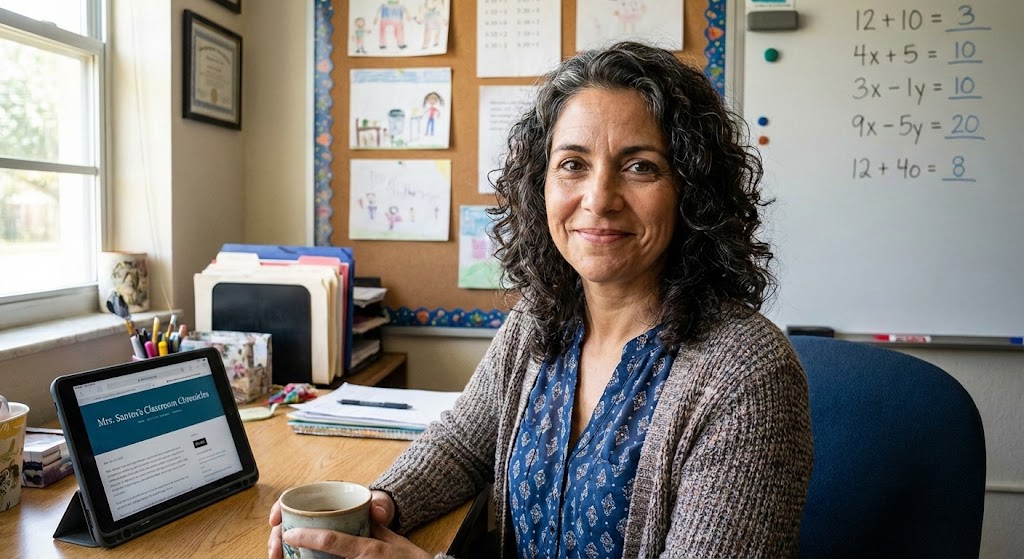
Maria Santos
Maria has been teaching 4th grade in Tampa, Florida for 22 years. Known as "the math whisperer" among her colleagues, she writes about the real challenges and victories of teaching in Florida's public schools.
When she's not grading papers or creating lesson plans, you can find Maria at her local teacher supply store (with coupons in hand) or sharing teaching tips over cafecito with her teacher friends.
View Full Profile →Related Articles
Why I Stopped Taking Behavior Personally (And How It Changed Everything)
Classroom management tip: Last Tuesday, little Miguel threw his math worksheet across the room and d...
My Transition Trick That Actually Works (And Why I Wish I'd Figured It Out 15 Years Ago)
Classroom management tip: Last Tuesday, I watched a first-year teacher practically melt down in the ...
Ready to Improve Your FAST Scores?
Upload your class data and get personalized IXL success plans in seconds.
Try It Free