The Veteran Teacher Slump is Real (And How I'm Climbing Out of Mine)
Last Tuesday, I caught myself standing in front of my whiteboard, marker in hand, completely blank. Not because I didn't know what to teach. I could recite my fractions lesson in my sleep. But for the first time in 22 years, I felt... empty.
My students were looking at me expectantly, and all I could think was, "Is this it? Is this what the next 15 years look like?"
If you've been teaching for more than a decade, you know exactly what I'm talking about.
When Experience Becomes a Curse
Here's what nobody tells you about being a veteran teacher: sometimes all that experience weighs you down instead of lifting you up.
I remember my first few years, when every small breakthrough felt like winning the lottery. When little Marcus (not my son, different Marcus) finally understood long division, I practically did a happy dance. When shy Isabella raised her hand for the first time, I wanted to call her parents immediately.
Now? I catch myself going through the motions. Another breakthrough, another success story, another parent conference. Don't get me wrong, I still care deeply about my kids. But that electric excitement? It's been MIA.
The Perfect Storm of Veteran Teacher Burnout
Let's be honest about what we're dealing with here. After two decades in the classroom, I've survived NCLB, watched Common Core come and go, and now I'm navigating B.E.S.T. standards. Each time, we were told this new thing would revolutionize education.
Spoiler alert: my kids still struggle with the same concepts they always have.
Add in the fact that we're expected to be teachers, counselors, social workers, and sometimes even surrogate parents. Ay, dios mio, no wonder we're exhausted.
But here's what really gets me: the guilt. Newer teachers look up to us veterans. We're supposed to be the wise ones, the mentors, the ones who have it all figured out. Admitting that I'm struggling feels like letting everyone down.
The Wake-Up Call I Didn't See Coming
My wake-up call came from an unexpected source: my own daughter Daniela, home from college for spring break.
She was helping me grade papers (bless her) when she said, "Mom, you used to tell me the funniest stories about your students. You haven't done that in months."
Ouch.
She was right. Somewhere along the way, I'd stopped seeing the joy in the chaos. The funny moments, the sweet interactions, the daily miracles that happen in Room 23. They were still happening, but I wasn't noticing them anymore.
Small Changes, Big Impact
I'm not going to lie and say I've completely turned things around. This is a work in progress, pero I've found a few things that are helping me rediscover why I fell in love with teaching in the first place.
Start a "Spark Journal"
Every day, I write down one moment that made me smile, laugh, or feel proud. Just one. Some days it's big, like when Aiden finally mastered his multiplication tables. Other days it's tiny, like the way Sofia organizes her pencils in perfect color order.
The act of looking for these moments has trained my brain to notice them again.
Change One Small Thing
I rearranged my classroom. That's it. Just moved some desks around and created a new reading corner. You'd think I'd renovated the whole school based on how excited my kids got.
Sometimes we need to shake up our environment to shake up our mindset. It doesn't have to be expensive or time-consuming. Even changing where you stand to teach can give you a new perspective.
Connect with Your "Why"
I pulled out some old cards and letters from former students. Reading about how I made a difference in their lives reminded me why I chose this profession.
If you don't have a collection like this, start one now. Save those sweet notes, those thank-you emails from parents, those random Facebook messages from kids who are now adults. You'll need them on the tough days.
The Power of Professional Relationships
One thing that's really helped me is reconnecting with my teaching tribe. When you're in a slump, it's tempting to isolate yourself. But that's exactly when you need your people most.
I started eating lunch in the teacher's lounge again instead of hiding in my classroom. I joined a grade-level chat on social media. I even signed up for a workshop, something I hadn't done in years.
Being around other educators who still have that fire reminded me that it's okay to not have it all figured out. We're all just doing our best with what we have.
Embracing the Beginner's Mind
Here's something that sounds crazy but works: I started asking my students to teach me things. Technology, slang, games they play at recess. Suddenly, I was the student again, and they were the experts.
The role reversal was refreshing for all of us. Plus, seeing their faces light up when they got to be the teacher reminded me how powerful that feeling is.
It's Okay to Not Be Okay
If you're reading this and thinking, "Yes, this is exactly how I feel," I want you to know something: you're not broken, and you're not alone.
The veteran teacher slump is real, and it doesn't mean you're a bad teacher. It means you're human. It means you've been giving so much of yourself for so long that you need to refill your cup.
Some days, showing up is enough. Some days, getting through the lesson is a victory. And some days, you'll rediscover that spark that made you choose this crazy, beautiful profession in the first place.
Moving Forward, One Day at a Time
I'm not going to pretend I've solved all my problems or that every day is sunshine and rainbows now. But I am paying attention again. I'm noticing the small moments, celebrating the tiny victories, and remembering that even veteran teachers are allowed to grow and change.
We tell our students that mistakes are learning opportunities. Maybe it's time we gave ourselves the same grace.
If you're in your own slump right now, be patient with yourself. Try one small thing. Reach out to a colleague. Remember why you started this journey.
And know that somewhere in Tampa, there's a 47-year-old teacher who's figuring it out right alongside you, one day at a time.
What small change will you make this week to rediscover your teaching spark? Trust me, your students (and your future self) will thank you for it.
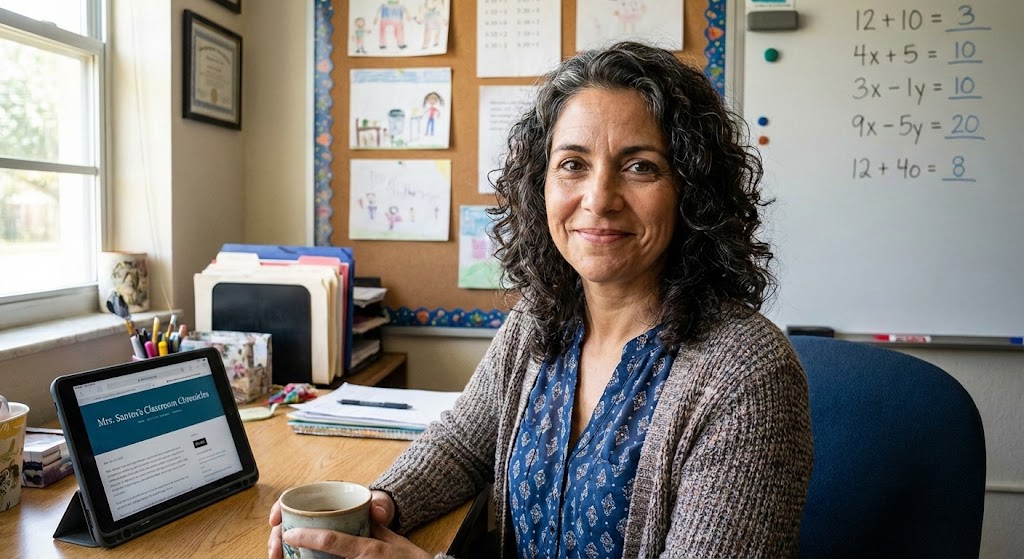
Maria Santos
Maria has been teaching 4th grade in Tampa, Florida for 22 years. Known as "the math whisperer" among her colleagues, she writes about the real challenges and victories of teaching in Florida's public schools.
When she's not grading papers or creating lesson plans, you can find Maria at her local teacher supply store (with coupons in hand) or sharing teaching tips over cafecito with her teacher friends.
View Full Profile →Related Articles
Finding Your Teacher Tribe: Why You Need Friends Who Get the Crazy
Teacher advice: Last week, my friend Jessica (who works in marketing) asked me why I seemed so stres...
When You Cry in the Supply Closet (And Why That's Perfectly Normal)
Teacher advice: I was reorganizing construction paper for the third time this week when it hit me. N...
Ready to Improve Your FAST Scores?
Upload your class data and get personalized IXL success plans in seconds.
Try It Free