The Week Before Break: When Your Kids Are Basically Vibrating with Excitement
It's 9:47 AM on the Tuesday before winter break, and little Sofia just asked me for the fifteenth time if we can watch a movie instead of doing math. Meanwhile, Marcus is drumming his pencil so enthusiastically I'm worried he might launch it into orbit, and half my class is staring out the window like they're expecting Santa's sleigh to appear any second.
Sound familiar?
Listen, I've been doing this for 22 years, and I used to fight this pre-break energy like it was my mortal enemy. I'd dig in my heels, pull out the worksheets, and try to force "real learning" right up until that final bell. Spoiler alert: it was miserable for everyone.
The Great Movie Week Disaster of 2008
Let me tell you about my biggest mistake. Back in 2008, I basically gave up the week before break. Movies every day, coloring sheets, and what I called "educational games" (aka time killers). The kids were happy, I was less stressed, pero when we came back in January? Ay, Dios mío.
It was like my students had forgotten everything we'd worked on in December. We spent three weeks just getting back to where we'd been. That's when I realized something important: our brains don't just pause learning because it's almost vacation time.
The Sweet Spot Strategy
Here's what I've learned works: we need to find that sweet spot between honoring their excitement and keeping those neural pathways firing. Think of it like keeping a car engine warm. You're not racing down the highway, but you're not letting it sit cold in the garage either.
The secret is making learning feel like celebration, not obligation.
Morning Brain Warm-Ups That Actually Work
I start each day with what I call "Holiday Brain Teasers." These are quick, engaging problems that feel festive but still require thinking. Yesterday, we figured out how many reindeer legs would be in Santa's stable if he had 12 reindeer (48, in case you're wondering, and yes, we counted by fours).
The kids love these because they feel holiday-themed, but their brains are still doing math. Win-win.
I also use this time for "December Reflections." We spend ten minutes writing about what we've learned this semester. Not in a formal essay way, but more like a conversation with a friend. "What was the hardest thing you figured out?" "What surprised you about yourself as a learner?"
Project-Based Learning Saves the Day
This is where the magic happens. Instead of trying to start new units (because who are we kidding?), I focus on projects that let kids apply what they already know.
This year, we're designing the "Perfect Snow Day" using everything we've learned about weather, geography, and math. They have to research different climates, calculate how much snow would need to fall for school closures, and write persuasive letters to Mother Nature.
Last week, my student Jayden, who usually struggles with writing, spent forty-five minutes crafting his letter. FORTY-FIVE MINUTES. Before break. That's the power of engagement, mija.
The "Learning Celebration" Approach
I reframe everything as celebration instead of work. We're not reviewing multiplication facts, we're having a "Times Table Tournament." We're not practicing reading comprehension, we're having "Story Detective Week" where we solve mysteries in holiday-themed texts.
The content is the same, but the packaging makes all the difference. Kids this age still want to learn, they just want it to feel joyful.
Movement Is Your Friend
With all that extra energy bouncing around, I build in way more movement than usual. We do "Snowball Fights" with balled-up paper containing math problems. We play "Reindeer Races" where teams solve problems to move around the classroom.
My colleague Ana introduced me to "Learning Stations on Steroids" where kids rotate through activities every fifteen minutes instead of the usual twenty or thirty. It keeps that restless energy channeled into something productive.
The Power of Choice
I give my students way more choice this week. They can pick which holiday tradition from around the world to research. They can choose whether to show their understanding through a poster, a presentation, or a creative writing piece.
Choice is like magic for engagement. When kids feel like they have some control, they invest more energy into the work.
Real Talk About Screen Time
Yes, we watch some videos. But I'm strategic about it. We watch the first ten minutes of a documentary about winter animals, then pause to discuss and predict. We use educational videos as launching pads for deeper thinking, not as babysitters.
I also let them create their own videos. My kids made "How-To" videos explaining different math strategies to imaginary younger students. They were so proud of these mini-lessons, and the process reinforced their learning beautifully.
Managing Your Own Energy
Here's something nobody talks about enough: we're tired too. This strategy works partly because it's actually less exhausting than fighting the holiday energy all week.
When I stopped trying to force normal routines and started working with the natural excitement, my stress level dropped dramatically. The kids are happier, I'm happier, and learning is still happening.
The January Payoff
The best part? When we come back in January, my kids remember what we did before break. Not because it was forced, but because it was meaningful and joyful.
They come back talking about their projects, asking follow-up questions, and ready to dive deeper into the topics we explored. That's the difference between parking their brains and keeping them gently engaged.
Your Turn
So this year, instead of white-knuckling it through the week before break, try working with the energy instead of against it. Your students will thank you, your sanity will thank you, and you might even find yourself looking forward to those last few days instead of just surviving them.
What's your biggest challenge the week before break? I'd love to hear how you handle the pre-vacation craziness. We're all in this together, and sometimes the best strategies come from sharing our stories in the trenches.
Remember, good teaching isn't about perfect conditions. It's about meeting our kids where they are, even when where they are is bouncing off the walls with holiday excitement.
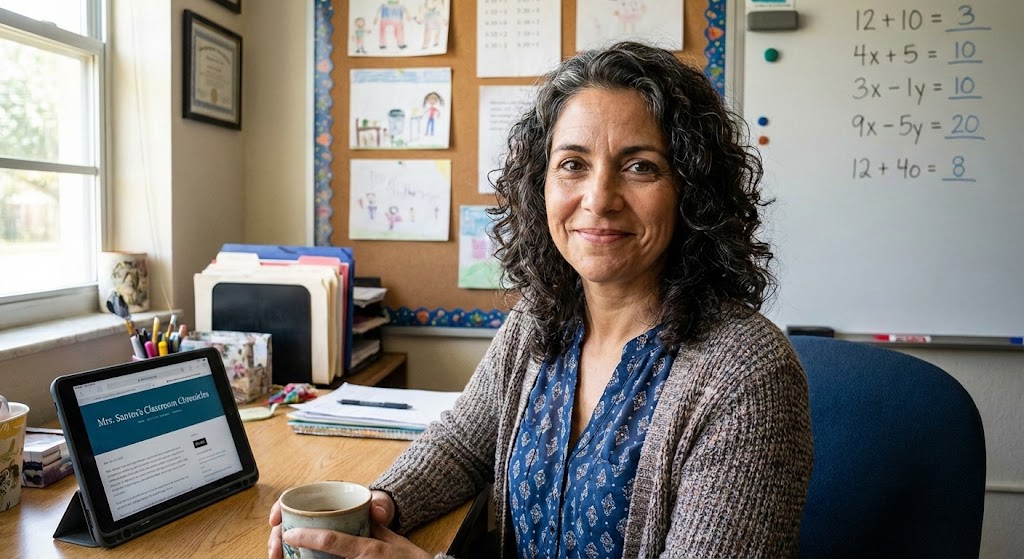
Maria Santos
Maria has been teaching 4th grade in Tampa, Florida for 22 years. Known as "the math whisperer" among her colleagues, she writes about the real challenges and victories of teaching in Florida's public schools.
When she's not grading papers or creating lesson plans, you can find Maria at her local teacher supply store (with coupons in hand) or sharing teaching tips over cafecito with her teacher friends.
View Full Profile →Related Articles
When Everyone's Brain is Already at the Beach (Including Yours)
Classroom management tip: Last Tuesday, I caught myself staring out the window during math, watching...
When May Hits and Everyone (Including You) Has Checked Out
Classroom management tip: Last Tuesday, I walked into my classroom to find three kids sprawled on th...
Ready to Improve Your FAST Scores?
Upload your class data and get personalized IXL success plans in seconds.
Try It Free