When September Reality Hits: Surviving the First Month Crash
Last Tuesday, I found myself hiding in the supply closet eating a granola bar at 10:47 AM. Not my finest moment, pero sometimes a teacher's gotta do what a teacher's gotta do.
You know that feeling, right? August was all sunshine and possibilities. Your bulletin boards were Instagram-worthy, your lesson plans color-coded, and you had actual hope that this would be the year everything clicked perfectly.
Then September happened.
The Honeymoon Is Over
By the third week of school, reality smacks us harder than a Florida thunderstorm. Little Jayden, who seemed so sweet during Meet the Teacher, has now discovered he can make armpit noises that send the entire class into hysterics. Sofia, your star student, suddenly can't remember how to walk in a line without bumping into three classmates.
And don't even get me started on the first progress reports.
I've been teaching for 22 years, and I still get that sinking feeling when September reality hits. The difference now is that I know it's coming, and more importantly, I know it's completely normal.
Why September Is the Hardest Month
Here's what nobody tells you in education school: September is when the real teaching begins.
August is all about routines and getting to know each other. Kids are still on their best behavior, riding that new-school-year energy. But by September, they're comfortable. They've tested your boundaries and found a few weak spots. They're tired from adjusting to the schedule, and frankly, so are we.
This is also when we start seeing the real academic gaps. Those beginning-of-year assessments weren't lying, mija. That reading level data? It's staring us in the face every time we try to get through a social studies lesson.
The Meltdown Moments
Three years ago, I had what I now call my "September Spectacular." It was a Thursday afternoon, and nothing had gone right. The copier was broken (again), two parents had emailed complaints about homework, and my carefully planned science experiment had turned into a glittery disaster that would haunt my classroom carpet for months.
The final straw? Marcus (not my son, different Marcus) looked me dead in the eye during math and said, "Mrs. Santos, this is boring and I'm not doing it."
I wanted to cry. Actually, I did cry, but I waited until my planning period.
That night, Carlos found me at the kitchen table surrounded by papers and said, "Amor, you look like you're planning to invade a small country." He wasn't wrong.
Reframing the September Struggle
Here's what I wish someone had told me during my first September meltdown: This is not failure. This is teaching.
September is when we stop being camp counselors and start being educators. It's messy and hard and sometimes makes us question our life choices. But it's also when the real magic begins.
Those behavior issues? They're kids feeling safe enough to show us who they really are. The academic struggles? Now we know exactly what we're working with. The chaos? It's just 25 little humans learning how to be students.
Practical Survival Strategies
Reset Your Expectations (Again)
Remember those beautiful lesson plans from August? Time for Plan B. Or C. Maybe even Plan D.
I keep a "September Survival Kit" of activities that require minimal prep but maximum engagement. Brain breaks, partner games, and anything that gets them moving. When my perfectly planned lesson crashes and burns, I pull from the kit without shame.
Revisit Your Routines
What worked in August might not work now. That's okay.
Last year, my morning routine fell apart in September because kids were arriving at different times than they had during the first week. Instead of fighting it, I created flexible morning bins that worked no matter when students arrived.
Don't be afraid to adjust. Flexibility isn't giving up, it's good teaching.
Focus on Relationships Over Rigor
I know, I know. We have standards to meet and data to collect. But trust me on this one: September is relationship month.
That kid giving you attitude? He might be dealing with stuff at home that has nothing to do with your math lesson. The student who's suddenly struggling? Maybe she needs more connection before correction.
I started doing "temperature checks" with my kids. Just a simple thumbs up, thumbs down, or thumbs sideways when they walk in each morning. It takes two seconds but tells me everything I need to know about how to approach each child that day.
The Small Wins Matter
In September, we have to celebrate differently. Forget the Pinterest-worthy moments. This month, success looks like:
Making it through a full lesson without major interruptions. Getting everyone to lunch with shoes still on their feet. Having a student finally understand place value after the fifteenth explanation.
Yesterday, my most challenging student helped another kid pick up dropped pencils without being asked. Six weeks ago, he would have stepped over them. That's growth, and that's worth celebrating.
Remember Your Why
On the really tough days, I think about why I became a teacher. It wasn't for the easy moments or the perfect lessons. It was for kids like Destiny, who couldn't read when she came to me but left writing stories. Or Miguel, who discovered he was actually good at math when someone finally explained it in a way that made sense to him.
September is hard because the work we do matters. If it were easy, everyone would do it.
You're Not Alone
Here's the truth: Every teacher in your school is struggling with something right now. The veteran down the hall who always looks put-together? She's probably eating granola bars in supply closets too.
We're all figuring it out as we go, and that's okay. Actually, it's more than okay. It's what makes us human, and our kids need to see that we're human.
So give yourself grace. Adjust your plans. Ask for help. And remember that October is coming, and with it, a whole new chance to get it right.
You've got this, and more importantly, you're not doing it alone.
Now, if you'll excuse me, I need to go figure out how to get glitter out of carpet. Again.
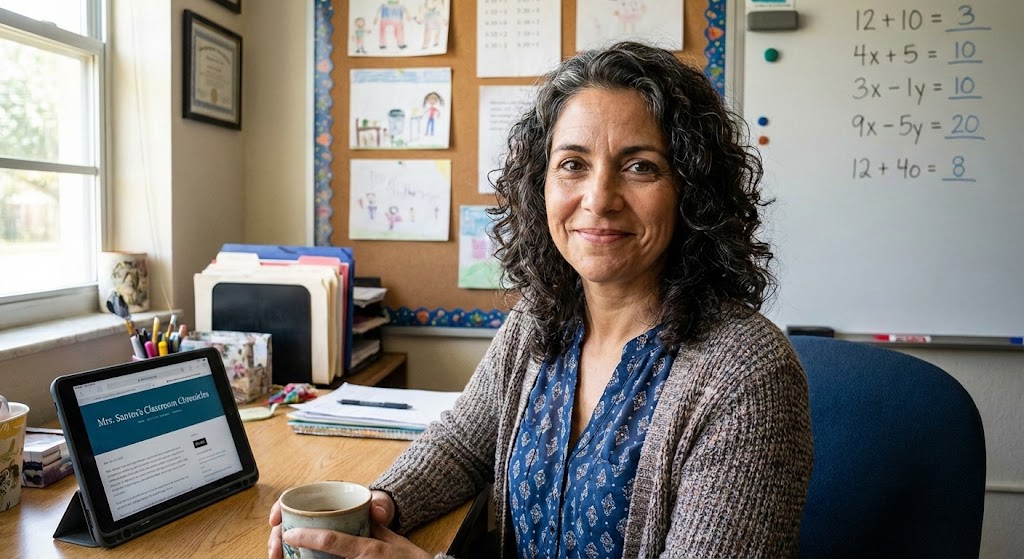
Maria Santos
Maria has been teaching 4th grade in Tampa, Florida for 22 years. Known as "the math whisperer" among her colleagues, she writes about the real challenges and victories of teaching in Florida's public schools.
When she's not grading papers or creating lesson plans, you can find Maria at her local teacher supply store (with coupons in hand) or sharing teaching tips over cafecito with her teacher friends.
View Full Profile →Related Articles
Why I Stopped Taking Behavior Personally (And How It Changed Everything)
Classroom management tip: Last Tuesday, little Miguel threw his math worksheet across the room and d...
My Transition Trick That Actually Works (And Why I Wish I'd Figured It Out 15 Years Ago)
Classroom management tip: Last Tuesday, I watched a first-year teacher practically melt down in the ...
Ready to Improve Your FAST Scores?
Upload your class data and get personalized IXL success plans in seconds.
Try It Free